
Oily Skin Treatments: Shine Control Tips
If you struggle with constant shine, clogged pores, or frequent breakouts, you’re not alone. Oily Skin Treatments are designed to help balance excess sebum production while keeping your skin healthy and glowing. Many people believe oily skin is impossible to manage, but with the right techniques, products, and habits, you can control shine without stripping your skin. This guide explores practical, science-backed strategies to help you maintain a clear, balanced complexion.
Understanding Oily Skin and Why It Happens
Oily skin occurs when sebaceous glands produce too much sebum. Sebum is a natural oil that protects and hydrates your skin. However, when overproduced, it can lead to clogged pores, blackheads, acne, and an overall greasy appearance.
Common Causes of Oily Skin
Several factors contribute to excess oil production:
- Genetics: If your parents have oily skin, chances are you might too.
- Hormones: Androgens increase oil production, especially during puberty, menstruation, pregnancy, or stress.
- Climate: Hot and humid weather can trigger more sebum production.
- Overwashing: Stripping the skin can cause it to produce even more oil.
- Harsh products: Alcohol-based or overly drying skincare can backfire.
Understanding the root cause helps you choose the most effective Oily Skin Treatments for your unique needs.
Daily Skincare Routine for Oily Skin
Consistency is key. A proper daily routine helps regulate oil production without damaging your skin barrier.
Morning Routine
- Gentle Foaming Cleanser: Removes excess oil without stripping moisture.
- Alcohol-Free Toner: Helps tighten pores and refresh the skin.
- Lightweight Moisturizer: Look for oil-free, non-comedogenic formulas.
- Broad-Spectrum Sunscreen: Use a matte or gel-based SPF.
Evening Routine
- Double Cleansing (if wearing makeup): Start with a micellar water or cleansing oil.
- Salicylic Acid Cleanser: Helps unclog pores.
- Treatment Serum: Niacinamide or retinol (at night only).
- Light Moisturizer: Hydration prevents rebound oiliness.
Sticking to this routine ensures your skin stays balanced rather than overcompensating with more oil.
Best Ingredients in Oily Skin Treatments
Choosing the right ingredients makes a huge difference. Not all products labeled for oily skin actually work effectively.
Salicylic Acid
A beta hydroxy acid (BHA) that penetrates deep into pores, dissolving oil and debris. It’s excellent for acne-prone skin.
Niacinamide
Reduces inflammation and regulates oil production while strengthening the skin barrier.
Clay (Kaolin or Bentonite)
Absorbs excess oil and detoxifies the skin. Great for weekly masks.
Retinol
Improves cell turnover and reduces pore clogging over time.
Hyaluronic Acid
Hydrates without adding grease. Hydration actually helps reduce oil production.
For more ingredient insights, refer to trusted dermatology resources like the American Academy of Dermatology (https://www.aad.org).
Natural and Home Remedies for Oil Control
If you prefer simple solutions, certain natural remedies can help support traditional Oily Skin Treatments.
Aloe Vera
Aloe soothes inflammation and lightly hydrates without clogging pores.
Green Tea
Rich in antioxidants, green tea helps reduce sebum production when applied topically.
Honey
Raw honey has antibacterial properties and supports acne prevention.
Clay Masks
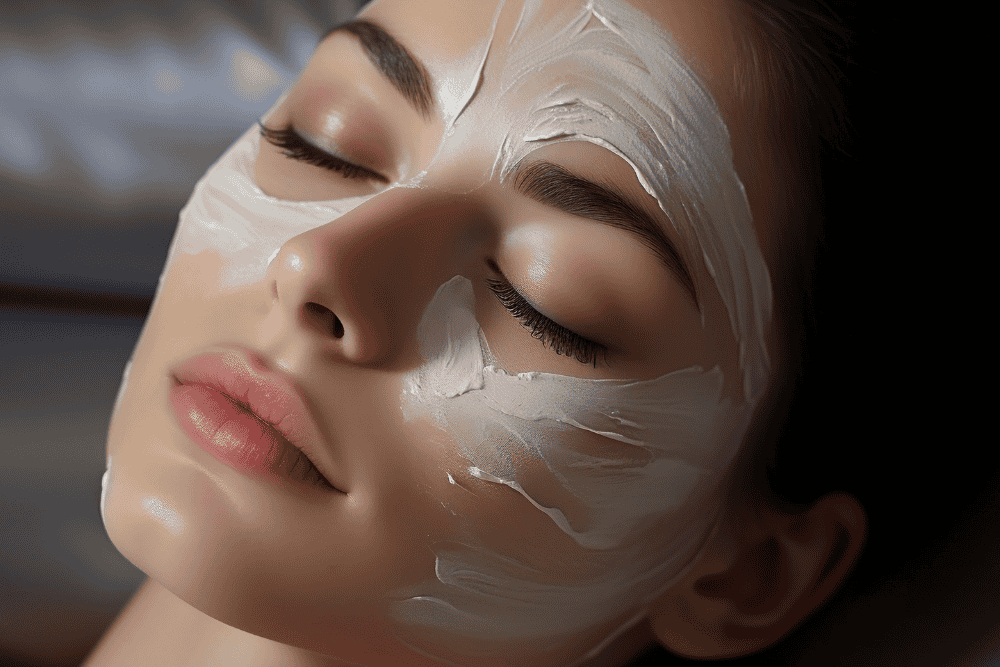
Using a clay mask once or twice weekly absorbs excess oil and deep cleans pores.
While natural remedies can be helpful, they work best when combined with a consistent skincare routine.
Professional Oily Skin Treatments and Procedures
For persistent oiliness or severe acne, professional options may offer faster results.
Chemical Peels
Light chemical peels using salicylic acid or glycolic acid exfoliate and control oil production.
Laser and Light Therapy
Reduces sebaceous gland activity and minimizes acne-causing bacteria.
Prescription Medications
Dermatologists may recommend topical retinoids or oral medications for severe cases.
Always consult a licensed dermatologist before pursuing advanced procedures to ensure safety and suitability.
Lifestyle Habits That Impact Oil Production
Skincare products alone aren’t enough. Lifestyle choices significantly affect your skin.
Diet
While oily food doesn’t directly cause oily skin, high-glycemic foods may increase breakouts.
Hydration
Drinking enough water supports overall skin balance.
Stress Management
Stress increases cortisol, which can stimulate oil production.
Sleep
Quality sleep helps regulate hormones and repair the skin.
Balanced habits amplify the effectiveness of your Oily Skin Treatments.
Common Mistakes to Avoid with Oily Skin
Even with the best intentions, certain habits can worsen oiliness.
Overwashing
Washing your face more than twice daily strips natural oils and triggers more sebum production.
Skipping Moisturizer
Many people think oily skin doesn’t need moisture—this is false. Dehydrated skin produces more oil.
Using Heavy Products
Thick creams and pore-clogging makeup can lead to breakouts.
Ignoring Sunscreen
Sun damage can thicken skin and increase oil imbalance.
Avoiding these mistakes ensures long-term shine control and healthier skin overall.

Final Thoughts
Managing oily skin doesn’t require extreme measures. The right Oily Skin Treatments focus on balance rather than elimination of oil. Your skin needs some natural oil to stay healthy and protected. By using proper ingredients, maintaining a consistent routine, and supporting your skin with healthy lifestyle habits, you can control shine while maintaining a radiant complexion.
Patience is essential. Results take time, but with persistence, you’ll notice fewer breakouts, minimized pores, and smoother texture. Oily skin isn’t a flaw—it simply requires smart, strategic care.
FAQs about Oily Skin Treatments
What causes excessive oil production on the face?
Excess oil production is typically caused by genetics, hormonal fluctuations, stress, and environmental factors like humidity. Over-cleansing and harsh skincare products can also stimulate the skin to produce more oil.
How often should I wash oily skin?
Twice daily—morning and evening—is ideal. Overwashing can strip your skin and cause increased oil production as compensation.
Are oily skin treatments safe for sensitive skin?
Yes, but choose gentle formulas with calming ingredients like niacinamide. Avoid high alcohol content and overly strong exfoliants unless advised by a dermatologist.
Do moisturizers make oily skin worse?
No. Skipping moisturizer can actually increase oil production. Choose oil-free, non-comedogenic, lightweight formulas.
Can diet really affect oily skin?
While greasy foods don’t directly cause oiliness, high-sugar and high-glycemic diets may trigger breakouts and inflammation.
How long does it take to see results from oily skin treatments?
You may notice minor improvements within a few weeks, but significant changes typically take 6–8 weeks of consistent use.
Shop Miss Fluffy products now and choose the care that enhances your natural beauty with confidence.