Hair Repair Treatments : Restore Strength
When your strands feel dry, brittle, or lifeless, the right Hair Repair Treatments can completely transform your hair’s health. From heat styling to chemical processing and environmental stress, our hair goes through a lot. Over time, this damage weakens the hair shaft, leading to breakage, frizz, split ends, and dullness. Thankfully, modern hair science offers powerful solutions designed to restore strength, shine, and softness.
In this comprehensive guide, we’ll explore how Hair Repair Treatments work, what causes hair damage, which ingredients truly make a difference, and how to choose the best option for your unique hair type. Let’s dive in.
Understanding Hair Damage and Why It Happens
Healthy hair is made up of three layers: the cuticle (outer layer), cortex (middle layer), and medulla (inner core). When the protective cuticle becomes damaged, the inner structure becomes exposed and vulnerable.
Common Causes of Hair Damage
- Excessive heat styling (flat irons, curling wands, blow dryers)
- Chemical treatments (bleaching, coloring, perming, relaxing)
- UV exposure and pollution
- Tight hairstyles that cause tension
- Poor hair care routines
When the cuticle lifts or cracks, moisture escapes. The result? Rough texture, split ends, and weak strands.
Signs You Need Hair Repair Treatments
- Increased hair breakage
- Dull, lackluster appearance
- Tangling easily
- Rough or straw-like texture
- Noticeable split ends
Recognizing these signs early allows you to restore your hair before further structural damage occurs.
How Hair Repair Treatments Work
Hair Repair Treatments are formulated to strengthen and rebuild the hair’s internal and external structure. They target both surface-level damage and deeper protein loss.
Protein-Based Repair
Hair is primarily made of keratin protein. When damaged, protein bonds break down. Treatments containing hydrolyzed keratin or silk proteins help reinforce weakened areas.
Moisture Restoration
Hydrating ingredients like glycerin, aloe vera, and hyaluronic acid restore lost moisture. Balanced hydration improves flexibility and reduces breakage.
Bond-Building Technology
Advanced formulas use bond-building technology to reconnect broken disulfide bonds inside the cortex. These treatments are especially beneficial for chemically treated hair.
By combining moisture, protein, and bond repair, modern treatments provide comprehensive restoration rather than temporary surface smoothing.
Types of Hair Repair Treatments Available
Not all damage is the same, and neither are treatment options. Choosing the right solution depends on your hair’s condition.
Deep Conditioning Masks
These intensive masks penetrate deeply to restore moisture and smooth the cuticle. Ideal for dry, coarse, or heat-damaged hair.
Protein Treatments
Best for severely weakened or chemically processed hair. They temporarily fill gaps in the hair shaft, improving strength.
Leave-In Repair Serums
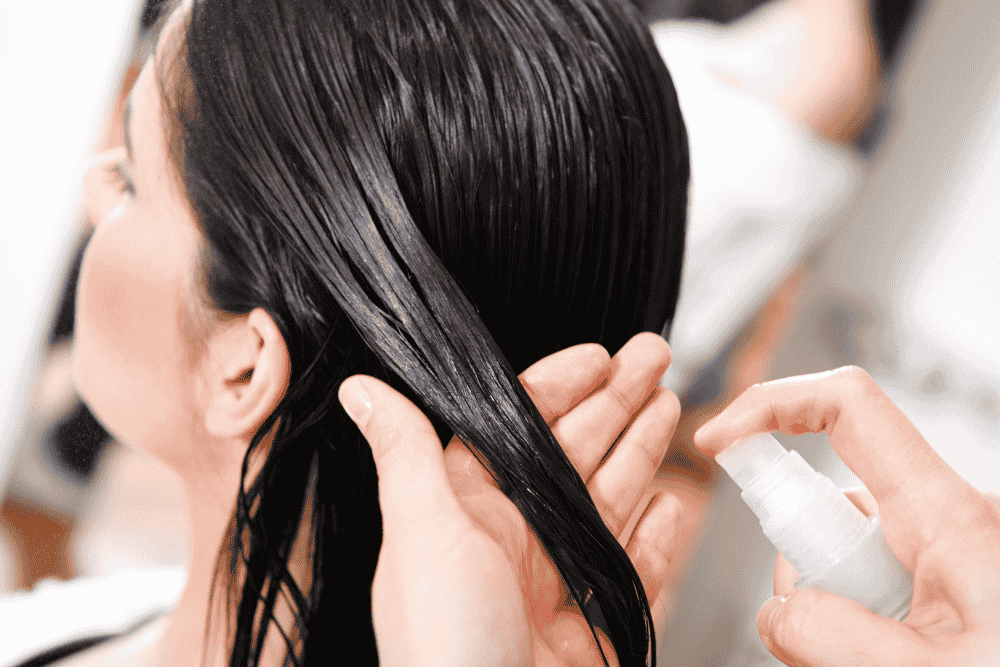
Lightweight serums protect against heat and environmental stress while sealing split ends.
Professional Salon Treatments
In-salon services often use advanced bond-repair systems that deliver faster and more dramatic results.
Using the right type ensures your Hair Repair Treatments are effective and targeted.
Key Ingredients That Truly Restore Strength
Reading labels can feel overwhelming, but certain ingredients consistently deliver results.
Keratin
Replenishes lost protein and smooths the cuticle.
Argan Oil
Rich in antioxidants and fatty acids, argan oil restores softness and shine.
Biotin
Supports stronger hair structure over time.
Ceramides
Help seal the cuticle and lock in moisture.
Amino Acids
Rebuild structural components of the hair shaft.
When shopping, look for formulas that combine both protein and moisturizing agents for balanced repair.
How to Choose the Best Hair Repair Treatments for Your Hair Type
Different hair types require tailored approaches.
Fine Hair
Avoid heavy protein treatments too frequently. Opt for lightweight formulas to prevent stiffness.
Curly or Coily Hair
Moisture is key. Deep hydrating masks with natural oils work wonders.
Color-Treated Hair
Choose sulfate-free, bond-building treatments to preserve color vibrancy.
Chemically Processed Hair
Alternate between protein and moisture treatments to maintain balance.
Consistency matters more than intensity. Overusing protein can make hair brittle, while too much moisture can leave it limp.
At-Home Routine to Maximize Results
Using Hair Repair Treatments effectively requires a structured routine.
Step 1: Gentle Cleansing
Use a sulfate-free shampoo to prevent further stripping of natural oils.
Step 2: Apply Treatment Properly
Focus on mid-lengths to ends where damage is most visible. Leave on for the recommended time.
Step 3: Seal with Conditioner
A lightweight conditioner helps close the cuticle.
Step 4: Heat Protection
Always use a heat protectant before styling.
Step 5: Weekly Maintenance
Deep condition once or twice a week depending on damage level.
For further professional insight into hair health, you can explore resources from the American Academy of Dermatology:
https://www.aad.org/public/everyday-care/hair-scalp-care/hair
Following a consistent routine allows treatments to work progressively, delivering stronger and smoother hair over time.

Final Thoughts
Investing in high-quality Hair Repair Treatments is one of the smartest decisions you can make for your hair’s long-term health. Damage is inevitable in modern life, but with the right combination of protein, moisture, and bond repair, your strands can regain resilience and shine.
Consistency, proper product selection, and gentle styling habits are key. When you treat your hair with care and use targeted solutions, restoration becomes not just possible—but predictable.
Healthy hair isn’t about perfection; it’s about strength, softness, and confidence.
FAQs about Hair Repair Treatments
How often should I use Hair Repair Treatments?
Most people benefit from using a deep repair treatment once a week. Severely damaged hair may require twice-weekly treatments initially, then reduce frequency as hair improves.
Can Hair Repair Treatments fix split ends permanently?
No treatment can permanently repair split ends. They can temporarily seal and smooth them, but trimming remains the only permanent solution.
Are protein treatments safe for all hair types?
Yes, but moderation is important. Fine hair may become stiff if overexposed to protein. Balance protein with moisture-based products.
How long does it take to see results?
Some improvements, like softness and shine, are visible after one use. Structural strength improvements typically require consistent use over several weeks.
Can I combine multiple Hair Repair Treatments?
Yes, alternating between moisture and protein treatments often yields the best results. Avoid layering too many heavy products at once.
Do natural oils count as Hair Repair Treatments?
Natural oils help moisturize and protect hair, but they do not rebuild internal protein bonds. They are best used alongside targeted repair products.
Shop Miss Fluffy products now and choose the care that enhances your natural beauty with confidence.