

Hair Care for Curly Hair: Define and Nourish Curls
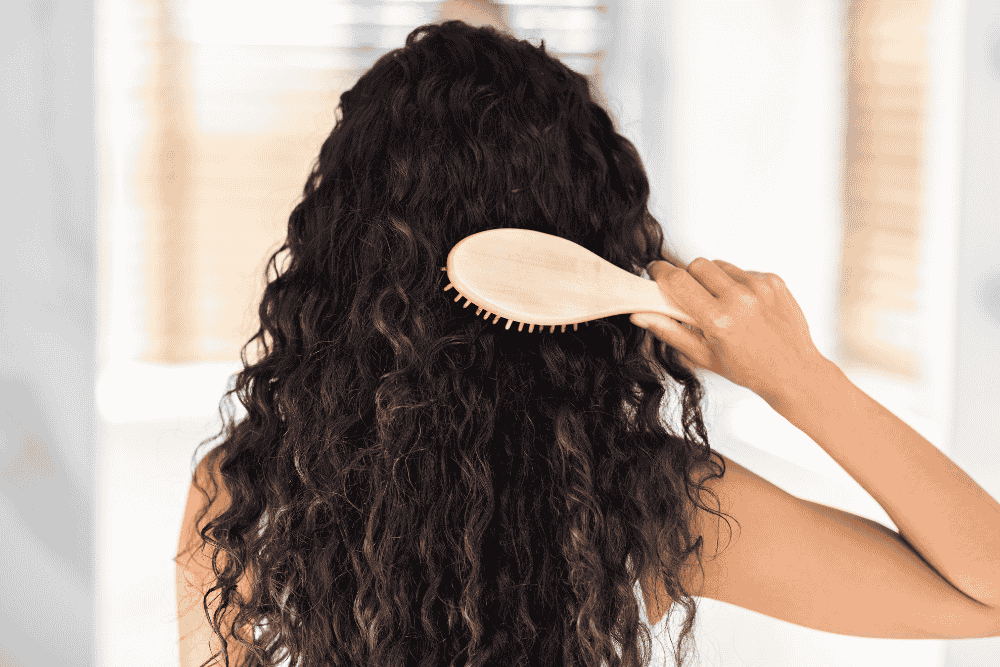
Hair Care for Curly Hair requires a thoughtful approach that respects the natural structure, moisture needs, and fragility of curls. Unlike straight hair, curls bend and coil, which makes it harder for natural oils to travel down the hair shaft. This is why many people with curls struggle with dryness, frizz, and lack of definition. By following the right routine and techniques, you can transform your curls into healthy, soft, and well-defined hair that’s easy to manage and full of life.
This guide walks you through every essential aspect of caring for curly hair, from cleansing to styling and long-term protection.
Understanding Curly Hair Structure and Needs
Curly hair behaves differently because of its shape, density, and moisture flow.
Why Curly Hair Needs Extra Moisture
The twists and turns of curly hair prevent sebum from coating the strands evenly. As a result, curls lose moisture faster and need added hydration to remain elastic and strong.
Curl Patterns and Their Differences
Curly hair can range from loose waves to tight coils. Some curl types require lightweight hydration, while others thrive with rich creams and oils. Knowing your curl pattern helps you choose the right products.
Hair Porosity and Product Absorption
Porosity determines how well your hair absorbs and retains moisture. High-porosity curls need sealing oils, while low-porosity curls benefit from lightweight, water-based products.
Hair Care for Curly Hair: Cleansing the Right Way
Cleansing is the foundation of effective Hair Care for Curly Hair and should never strip natural oils.
Choosing a Gentle Shampoo
Sulfate-free shampoos cleanse the scalp without drying out curls. They help maintain moisture balance while preventing buildup.
How Often to Wash Curly Hair
Most curly hair types only need washing once or twice a week. Overwashing can cause dryness, while under-washing can lead to scalp irritation.
Co-Washing for Extra Dry Curls
For tight or coily hair, co-washing with conditioner can refresh curls without removing essential oils.
Conditioning and Moisture-Rich Treatments
Conditioning is one of the most critical steps in maintaining curl health.
Daily Conditioning for Slip and Softness
A good conditioner makes detangling easier and reduces breakage. Ingredients like aloe vera, glycerin, and shea butter help maintain softness.
Deep Conditioning for Repair
Weekly deep conditioning treatments restore moisture, strengthen curls, and improve elasticity, especially for chemically treated or heat-damaged hair.
Balancing Protein and Moisture
Too much protein can make curls stiff, while too little can cause limpness. Alternating treatments keeps curls resilient and bouncy.
Hair Care for Curly Hair: Styling for Definition and Control
Styling techniques can dramatically impact curl definition and frizz control.
Applying Products on Wet Hair
Applying styling products to wet or damp hair helps lock in moisture and encourages curl clumping.
Layering Styling Products
Start with a leave-in conditioner, then apply a curl cream or gel to seal moisture and define curls without crunch.
Curl-Enhancing Styling Methods
Techniques like scrunching, finger coiling, and the praying hands method shape curls without disrupting their natural pattern.
Protecting Curly Hair from Daily Damage
Curly hair is delicate and benefits from proactive protection.
Limiting Heat Exposure
Excessive heat weakens curls and causes long-term damage. Always use a heat protectant and keep temperatures low.
Nighttime Hair Protection
Sleeping on silk or satin pillowcases reduces friction and moisture loss. Pineappling or wearing a satin bonnet preserves curl shape overnight.
Low-Manipulation Hairstyles
Loose braids, twists, or buns minimize breakage and help curls retain length.
Common Curly Hair Mistakes to Avoid
Even small habits can negatively affect curl health.
Brushing Hair When Dry
Dry brushing disrupts curl patterns and causes frizz. Detangle only when hair is wet and conditioned.
Using Harsh or Incorrect Products
Products with drying alcohols or heavy silicones can cause buildup and dehydration over time.
Overloading Hair with Products
Too many products can weigh curls down. Focus on a simple, effective routine.

Final Thoughts
Hair Care for Curly Hair is about understanding your hair’s unique needs and committing to consistent, gentle care. When curls receive enough moisture, minimal heat, and proper protection, they naturally become healthier and more defined. With patience and the right routine, managing curly hair becomes less of a challenge and more of a rewarding self-care practice.
FAQs about Hair Care for Curly Hair
How often should curly hair be washed?
Most people with curly hair wash once or twice a week. This frequency helps retain moisture while keeping the scalp clean and healthy.
What ingredients are best for curly hair products?
Moisturizing ingredients such as shea butter, coconut oil, aloe vera, glycerin, and argan oil work well to hydrate and protect curls.
Is a leave-in conditioner necessary?
Yes, leave-in conditioner helps maintain moisture throughout the day, improves manageability, and enhances curl definition.
Can curly hair be straightened safely?
Occasional straightening is fine if heat protectants are used and heat exposure is limited. Frequent heat styling can weaken curls.
Why does curly hair get frizzy so easily?
Frizz is usually caused by dryness, humidity, or friction. Proper hydration and sealing moisture help reduce frizz significantly.
How long does it take to see results from a curly hair routine?
Many people notice improvements within a few weeks, but long-term curl health develops over consistent care and proper product use.
Shop Miss Fluffy Products to give your curls the moisture, definition, and frizz control they need for healthier, more manageable curly hair every day.