
Hair Fall Control: Strengthen hair from roots
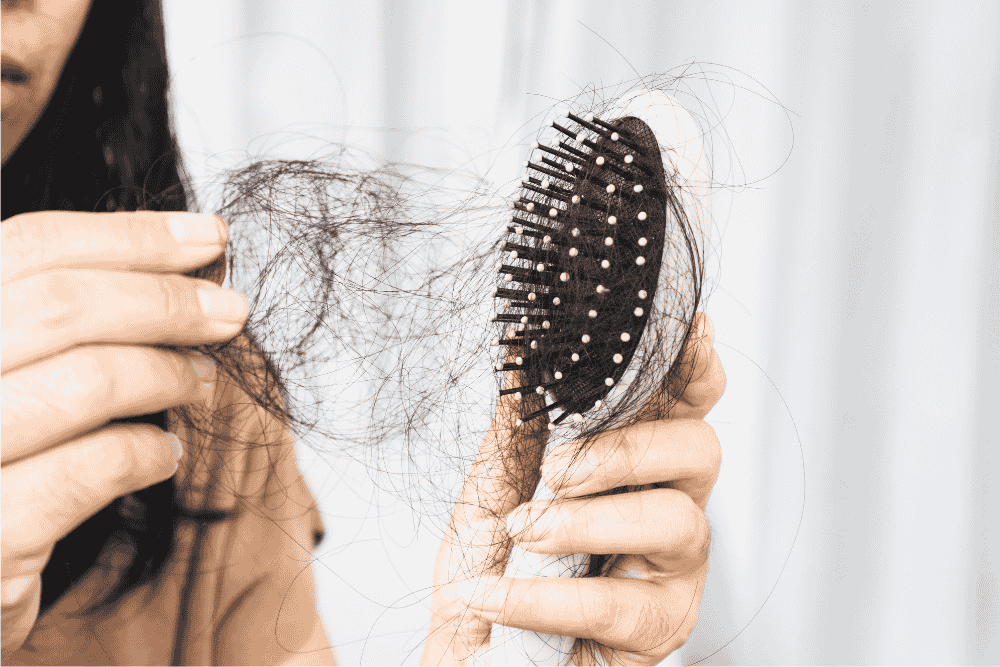
Hair fall is one of the most common concerns for both men and women today. Stress, poor nutrition, pollution, and lifestyle changes all contribute to weak hair and excessive shedding. Hair Fall Control is not just about stopping hair loss temporarily; it is about understanding the root causes and building healthier, stronger hair from within. In this detailed guide, you will learn proven methods, habits, and care routines that support long-term hair strength and scalp health.
Understanding Hair Fall and Its Root Causes
Hair fall is a natural process, but when it becomes excessive, it signals an underlying issue that needs attention.
What is considered normal hair fall?
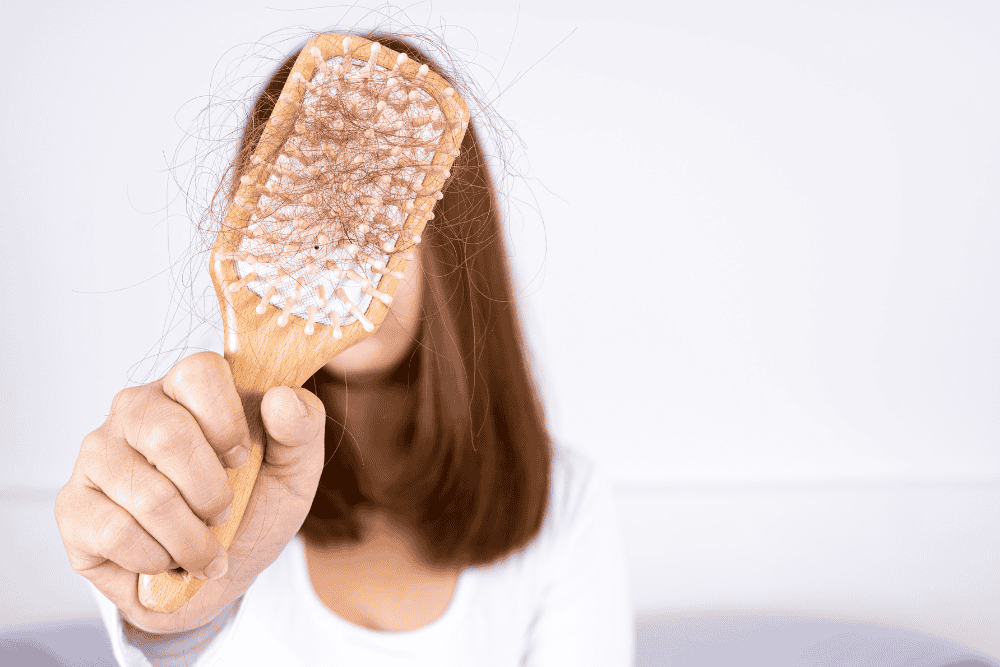
Losing 50–100 strands a day is normal. Problems begin when hair loss exceeds this range consistently or when noticeable thinning occurs.
Common reasons behind hair fall
Hormonal imbalances, nutritional deficiencies, chronic stress, medical conditions, and poor hair care practices are leading causes. Genetics can also influence hair fall, but lifestyle factors often accelerate it.
How the hair growth cycle works
Hair grows in three stages: growth (anagen), transition (catagen), and resting/shedding (telogen). Disruption in this cycle leads to increased shedding. Effective Hair Fall Control focuses on restoring this balance.
Role of Nutrition in Hair Fall Control
Nutrition plays a foundational role in maintaining strong and healthy hair.
Why diet matters for hair health
Hair follicles require a steady supply of nutrients. Poor eating habits can weaken hair roots and slow down growth.
Essential nutrients for stronger hair
Protein, iron, zinc, biotin, omega-3 fatty acids, and vitamins A, C, D, and E are vital for hair structure and strength.
Best foods to include in your diet
Eggs, spinach, lentils, nuts, seeds, fatty fish, fruits, and whole grains help support hair growth and reduce breakage.
Daily Hair Care Habits That Reduce Hair Fall
Simple daily habits can significantly improve hair strength and prevent unnecessary damage.
Choosing the right shampoo and conditioner
Use sulfate-free shampoos that suit your scalp type. Conditioning helps retain moisture and reduces breakage.
How often should you wash your hair?
Washing 2–3 times a week is ideal for most people. Overwashing can strip natural oils and weaken hair.
Avoiding mechanical hair damage
Rough towel drying, aggressive brushing, and tight hairstyles cause hair breakage. Gentle handling is essential for Hair Fall Control.
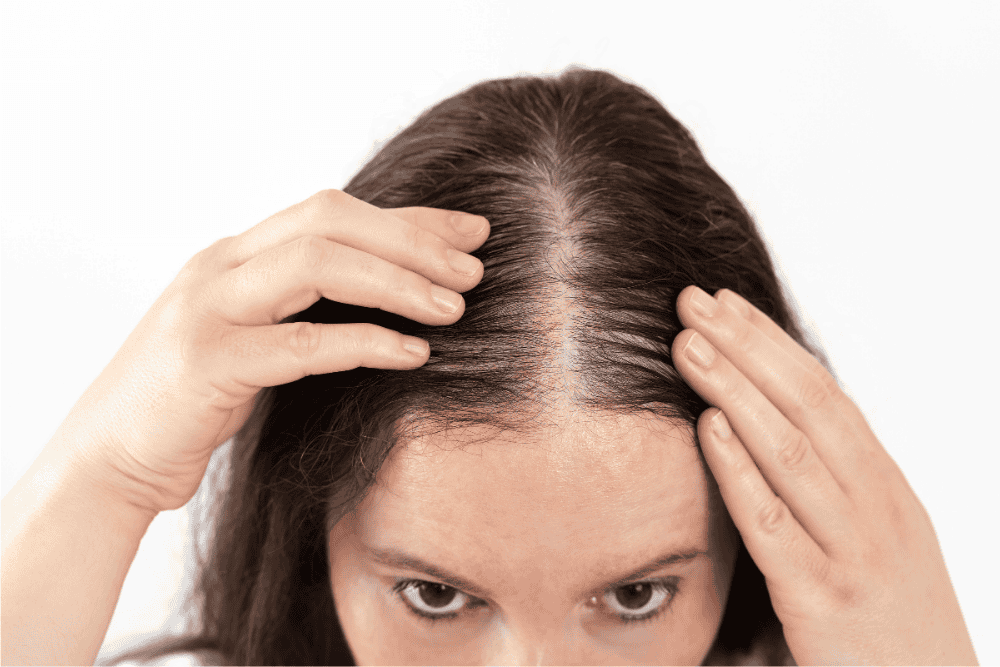
Scalp Care: The Foundation of Strong Hair
A healthy scalp creates the right environment for hair growth.
Importance of a clean scalp
Product buildup, excess oil, and dandruff can clog hair follicles, leading to hair fall and slow growth.
Benefits of regular scalp massage
Massaging improves blood circulation, delivers nutrients to follicles, and relaxes the scalp muscles.
Oil therapy for scalp nourishment
Natural oils such as coconut, castor, almond, and argan oil strengthen roots and improve scalp health when used regularly.
Lifestyle Changes That Support Hair Fall Control
Your overall lifestyle has a direct impact on hair quality.
Impact of stress on hair fall
Stress increases cortisol levels, which can push hair into the shedding phase. Managing stress is crucial for hair health.
Sleep and hair regeneration
Hair follicles repair themselves during sleep. Poor sleep quality can slow down hair growth and worsen hair fall.
Exercise and blood circulation
Regular physical activity improves blood flow to the scalp, supporting healthier hair follicles.
Natural Remedies and Treatments for Hair Strength
Natural remedies can complement daily hair care routines.
Traditional home remedies
Aloe vera, onion juice, fenugreek seeds, amla, and hibiscus are widely used to nourish the scalp and strengthen hair roots.
How often should natural treatments be used?
Most remedies work best when applied 1–2 times a week consistently over several months.
Setting realistic expectations
Natural solutions take time. Sustainable Hair Fall Control comes from long-term consistency rather than instant results.
Final Thoughts
Hair fall can feel overwhelming, but the solution lies in a balanced and patient approach. True Hair Fall Control comes from nourishing the body, caring for the scalp, practicing gentle hair routines, and maintaining a healthy lifestyle. When these elements work together, hair becomes stronger, healthier, and more resilient over time.
FAQs about Hair Fall Control
What is the most effective way to control hair fall naturally?
A combination of proper nutrition, gentle hair care, regular scalp massages, stress management, and consistent routines provides the most effective natural Hair Fall Control.
How long does it take to see results with Hair Fall Control methods?
Reduced hair fall can be noticed within 6–8 weeks. Visible improvement in hair thickness and strength usually takes 3–4 months.
Can stress alone cause excessive hair fall?
Yes, prolonged stress can disrupt the hair growth cycle and lead to significant shedding. Stress reduction techniques often help reverse this.
Is regular hair oiling beneficial for hair fall control?
Hair oiling nourishes the scalp, improves circulation, and strengthens roots. While not a standalone cure, it supports overall hair health.
Does frequent shampooing increase hair fall?
Frequent washing with harsh shampoos can weaken hair. Using a mild shampoo a few times a week is better for Hair Fall Control.
When should I seek professional help for hair fall?
If hair fall is sudden, severe, or accompanied by scalp irritation or patchy loss, consulting a dermatologist is recommended.
Shop Miss Fluffy Products to give your hair the targeted care it needs for effective hair fall control, stronger roots, and healthier-looking hair every day.