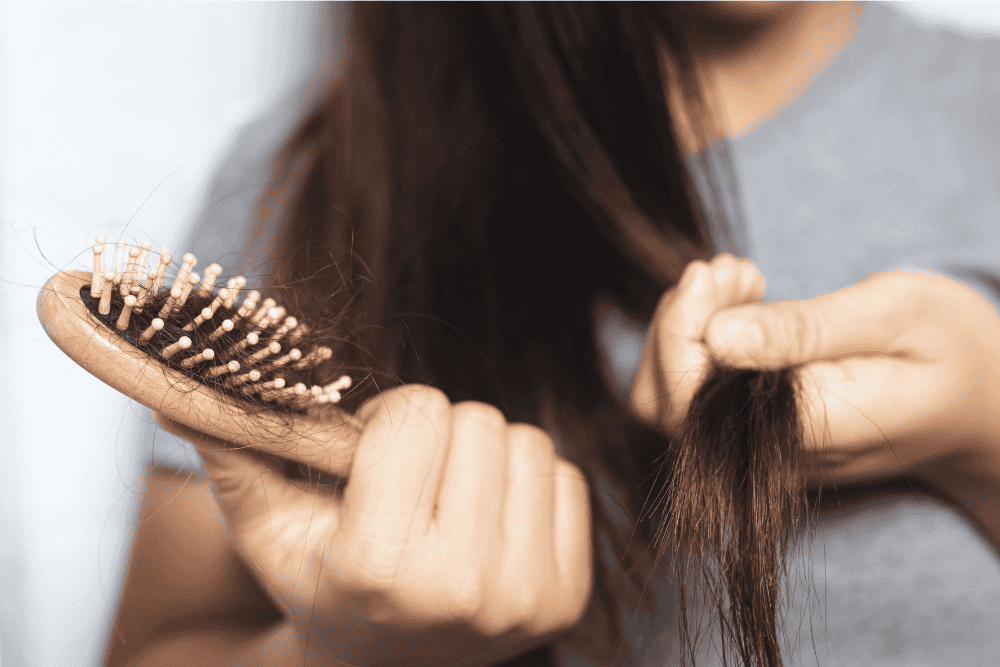
Damaged Hair Repair: Restore strength and shine
Healthy, shiny hair is often seen as a sign of confidence and good self-care. However, daily styling, environmental exposure, and chemical treatments can leave hair weak, dull, and brittle. Damaged Hair Repair is not just about masking the problem—it’s about restoring strength from within and protecting hair from future harm. In this detailed guide, you’ll learn what causes hair damage, how to recognize it early, and the most effective strategies to repair and maintain healthier hair over time.
Understanding Damaged Hair Repair
Damaged Hair Repair refers to restoring the internal and external structure of hair strands so they become stronger, smoother, and more resilient. Damage occurs when the hair cuticle—the outer protective layer—is compromised, allowing moisture and protein to escape.
How Hair Structure Affects Repair
Hair is made up of three layers: the cuticle, cortex, and medulla. When the cuticle is lifted or broken, the cortex becomes vulnerable, leading to dryness, breakage, and loss of shine.
Why Repair Is a Long-Term Process
Repairing damaged hair is not an overnight fix. While products can improve appearance quickly, true repair requires consistent care, protection, and prevention of future damage.
Common Causes of Hair Damage
Hair damage usually develops gradually. Understanding the most common causes allows you to change habits before damage becomes severe.
Heat Styling and Thermal Stress
Flat irons, curling wands, and blow dryers weaken hair proteins when used frequently or at high temperatures. Heat damage is one of the leading reasons hair becomes brittle and dull.
Chemical Processing
Coloring, bleaching, perming, and relaxing permanently alter hair structure. Repeated chemical treatments significantly increase the need for Damaged Hair Repair.
Environmental Exposure
Sunlight, pollution, saltwater, and chlorine strip moisture from hair and weaken the cuticle, especially without protective products.
Physical and Mechanical Damage
Tight hairstyles, rough brushing, and harsh towel drying create friction that leads to split ends and breakage.
Signs Your Hair Needs Repair
Identifying damage early makes Damaged Hair Repair more effective and prevents long-term issues.
Visual and Texture Changes
Hair may look dull, frizzy, or uneven in texture. Split ends and flyaways become more noticeable.
Loss of Strength and Elasticity
Healthy hair stretches slightly and returns to shape. Damaged hair snaps easily, especially when wet.
Persistent Dryness
If hair remains dry even after conditioning, it often indicates internal damage rather than surface dryness.
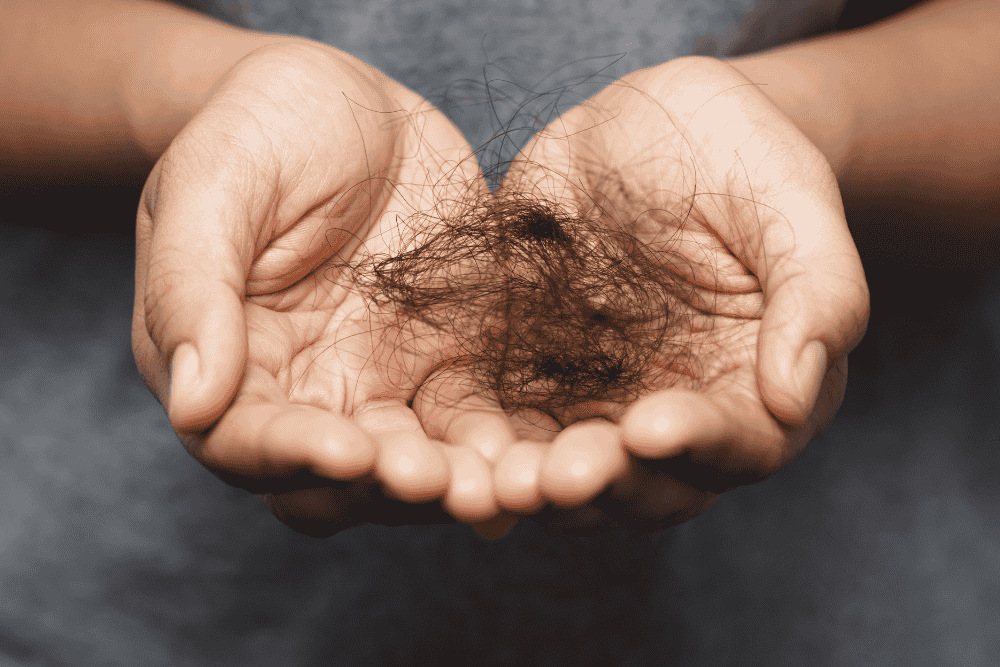
Proven Methods for Damaged Hair Repair
Repairing damaged hair requires a combination of strengthening, moisturizing, and protective treatments.
Protein-Based Repair Treatments
Protein masks and treatments temporarily rebuild weak areas in the hair shaft, improving strength and reducing breakage.
Deep Conditioning and Moisture Therapy
Hydrating masks replenish lost moisture, smooth the cuticle, and improve softness. Ingredients like shea butter, oils, and humectants are especially beneficial.
Bond-Building Hair Products
Bond-repair formulas target broken bonds inside the hair, making them ideal for chemically processed or heat-damaged hair.
Regular Trimming
Trimming removes split ends before they travel up the hair shaft, preserving length and overall hair health.
Daily Habits That Support Hair Recovery
Daily routines play a crucial role in long-term Damaged Hair Repair and prevention.
Gentle Cleansing Practices
Wash hair with sulfate-free shampoos and avoid overwashing, which strips natural oils needed for repair.
Heat Protection and Styling Control
Always use a heat protectant and lower styling temperatures whenever possible to minimize further damage.
Safe Drying Techniques
Instead of rubbing hair dry, gently blot with a microfiber towel or cotton T-shirt to reduce friction.
Nutrition and Hydration
A balanced diet rich in protein, vitamins, and healthy fats supports stronger hair growth from the inside out.
Professional Treatments for Severe Damage
When damage is advanced, professional solutions can significantly enhance Damaged Hair Repair results.
In-Salon Repair Services
Professional treatments are designed to restore strength and improve texture after intense chemical or heat damage.
Scalp Health Treatments
A healthy scalp encourages healthier hair growth. Scalp treatments remove buildup and improve circulation.
Expert Hair Consultations
Hair professionals can assess damage levels and recommend customized routines based on hair type and lifestyle.
Final Thoughts
Damaged hair does not have to be permanent. With consistent care, smart styling choices, and targeted Damaged Hair Repair treatments, it is possible to restore strength, shine, and manageability. The most important step is prevention—protecting your hair daily ensures that repair efforts last and future damage is minimized.
FAQs about Damaged Hair Repair
Can damaged hair be fully repaired?
Severely damaged hair cannot be completely reversed, but Damaged Hair Repair routines can significantly improve strength, texture, and appearance while preventing further damage.
How long does damaged hair repair take?
Initial improvements can be seen within a few weeks, but noticeable long-term repair typically takes several months of consistent care.
Is protein treatment necessary for damaged hair?
Protein helps strengthen weak hair, but balance is key. Too much protein can make hair stiff, so it should be paired with moisturizing treatments.
How often should I use repair masks?
For damaged hair, using a deep conditioning or repair mask once or twice a week is usually effective.
Does trimming help with damaged hair repair?
Trimming does not repair damage, but it removes split ends and prevents further breakage, supporting healthier-looking hair.
How can I prevent hair damage in the future?
Limiting heat styling, using protective products, maintaining gentle hair care habits, and following a healthy diet are the best long-term prevention strategies.
Shop Miss Fluffy Products to support damaged hair repair with targeted formulas designed to restore strength, improve texture, and bring back healthy shine.