
Acne Skin Care: Clear and balanced solutions
Acne Skin Care is one of the most searched and discussed topics in dermatology and beauty today and for good reason. Acne affects people of all ages, not just teenagers, and managing it requires more than quick fixes or random products. A well-planned acne skin care routine helps reduce breakouts, calm inflammation, and improve overall skin clarity over time. In this detailed guide, you’ll learn how acne forms, why consistent care matters, and how to build a routine that truly supports healthier skin.
Understanding Acne and Why It Happens
Acne is a multifactorial skin condition that develops due to a combination of biological and environmental factors. Knowing what causes acne allows you to make better acne skin care decisions.
How pores become clogged
Acne forms when hair follicles become blocked by excess oil, dead skin cells, and bacteria. This creates an ideal environment for breakouts, especially when oil production is high.
Hormonal influence on acne
Hormonal fluctuations—during puberty, menstruation, pregnancy, or stress—stimulate oil glands. Increased oil production is a major trigger for acne, making hormone balance a key consideration in acne skin care.
Different types of acne lesions
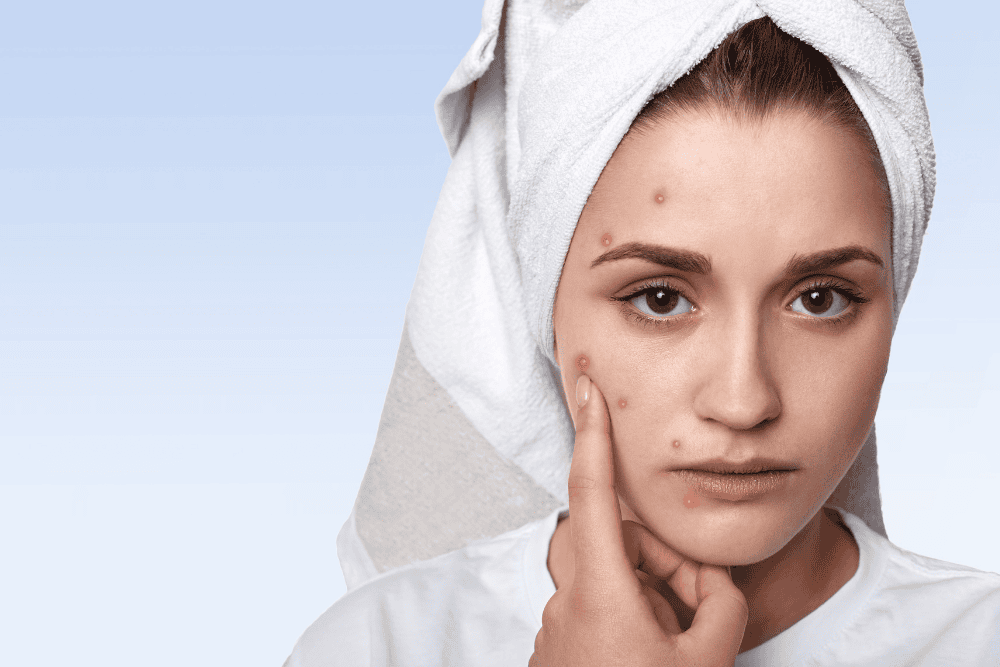
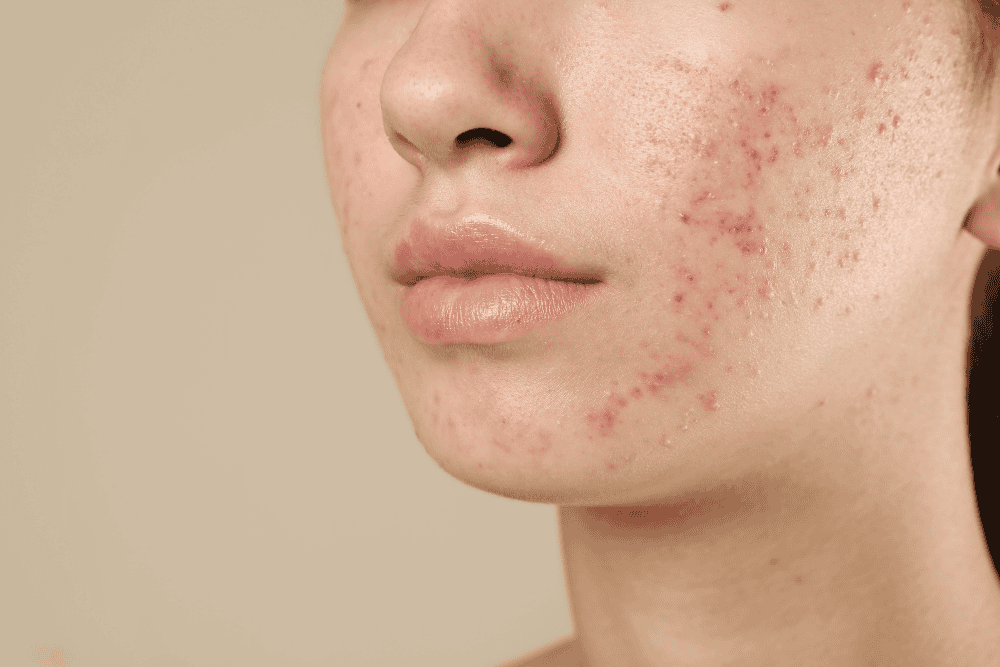
Acne can appear as blackheads, whiteheads, papules, pustules, nodules, or cysts. Each type varies in severity and may respond differently to treatment, which is why personalized acne skin care is essential.
Why a Consistent Acne Skin Care Routine Matters
Consistency is often overlooked, yet it is the foundation of successful acne skin care.
Skin thrives on routine
Following a regular routine helps your skin regulate oil production and maintain a healthy barrier. Constantly switching products can confuse the skin and trigger irritation.
Preventing future breakouts
A consistent acne skin care routine doesn’t just treat existing acne—it also helps prevent new breakouts by keeping pores clear and inflammation under control.
Supporting long-term skin health
Over time, proper acne skin care improves texture, reduces redness, and minimizes post-acne marks, leading to clearer and more resilient skin.
Core Steps in an Effective Acne Skin Care Routine
Every successful acne skin care routine is built on a few essential steps that work together to support skin health.
Gentle cleansing
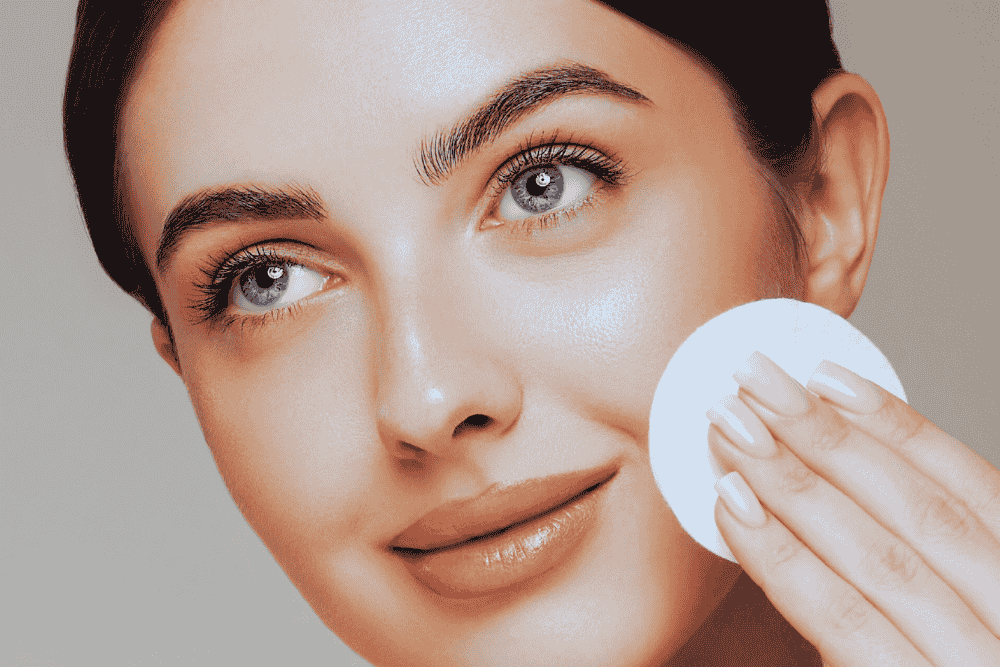
Cleansing twice daily removes excess oil, dirt, and bacteria without stripping the skin. Gentle cleansers are crucial for acne-prone skin to avoid triggering more oil production.
Targeted treatment products
Treatment products help address the root causes of acne. Ingredients such as salicylic acid, benzoyl peroxide, and retinoids unclog pores and reduce acne-causing bacteria.
Moisturizing for balance
Moisturizing is a vital step in acne skin care. Hydrated skin produces less oil and heals more efficiently, making breakouts less frequent and less severe.
Choosing the Right Products for Acne-Prone Skin
Product selection plays a critical role in how effective your acne skin care routine will be.
Ingredients that support clearer skin
Look for non-comedogenic products with ingredients like niacinamide, azelaic acid, or green tea extract. These ingredients help reduce inflammation and strengthen the skin barrier.
Ingredients to limit or avoid
Heavy oils, harsh alcohols, and synthetic fragrances can clog pores or irritate sensitive skin. Avoiding these supports long-term acne skin care success.
Understanding product labels
Learning to read ingredient lists empowers you to choose products that align with your acne skin care goals and skin type.
Lifestyle Habits That Enhance Acne Skin Care
Healthy skin is influenced by more than topical products alone. Daily habits play a powerful role in acne management.
Nutrition and hydration
While diet doesn’t directly cause acne, certain foods may worsen breakouts in some individuals. Staying hydrated supports skin elasticity and overall function.
Stress management
Stress increases cortisol levels, which can trigger oil production and inflammation. Reducing stress through exercise, relaxation, or mindfulness supports acne skin care from within.
Sleep and skin repair
Quality sleep allows the skin to regenerate and repair itself. Poor sleep can worsen inflammation and slow acne healing.
Common Acne Skin Care Mistakes to Avoid
Avoiding common mistakes can significantly improve the effectiveness of your acne skin care routine.
Overusing active ingredients
Using too many strong treatments at once can damage the skin barrier, leading to redness and more breakouts instead of improvement.
Over-exfoliation
Exfoliating too often removes protective layers of the skin. Gentle exfoliation once or twice a week is enough for most acne-prone skin types.
Touching or picking at acne
Picking spreads bacteria and increases the risk of scarring. Effective acne skin care focuses on healing, not manual extraction.
Final Thoughts
Acne Skin Care is a long-term commitment rather than a quick fix. With the right routine, thoughtful product choices, and supportive lifestyle habits, clearer and healthier skin is achievable. Patience and consistency are key—when acne skin care is done correctly, the results are not only visible but sustainable.
FAQs about Acne Skin Care
How long does acne skin care take to show results?
Most acne skin care routines show visible improvements within 4 to 8 weeks. Skin needs time to adjust and renew, so consistency is essential.
Can acne skin care help adult acne?
Yes, acne skin care is effective for adult acne. Adult breakouts are often related to hormones, stress, or lifestyle factors and respond well to tailored routines.
Is moisturizer necessary in acne skin care?
Moisturizer is essential. Skipping it can cause the skin to overproduce oil, worsening acne. Lightweight, non-comedogenic moisturizers are ideal.
Should acne skin care products be used daily?
Most acne skin care products are designed for daily use, but strong treatments should be introduced gradually to prevent irritation.
Can natural remedies replace acne skin care products?
Natural remedies may support skin health, but they rarely replace proven acne skin care treatments. A combined approach is often most effective.
When should I see a dermatologist for acne skin care?
If acne is severe, painful, or doesn’t improve after months of consistent acne skin care, a dermatologist can provide advanced treatment options.
Shop Miss Fluffy Products to support your acne skin care journey with carefully formulated solutions designed to reduce breakouts and promote clearer, healthier-looking skin.