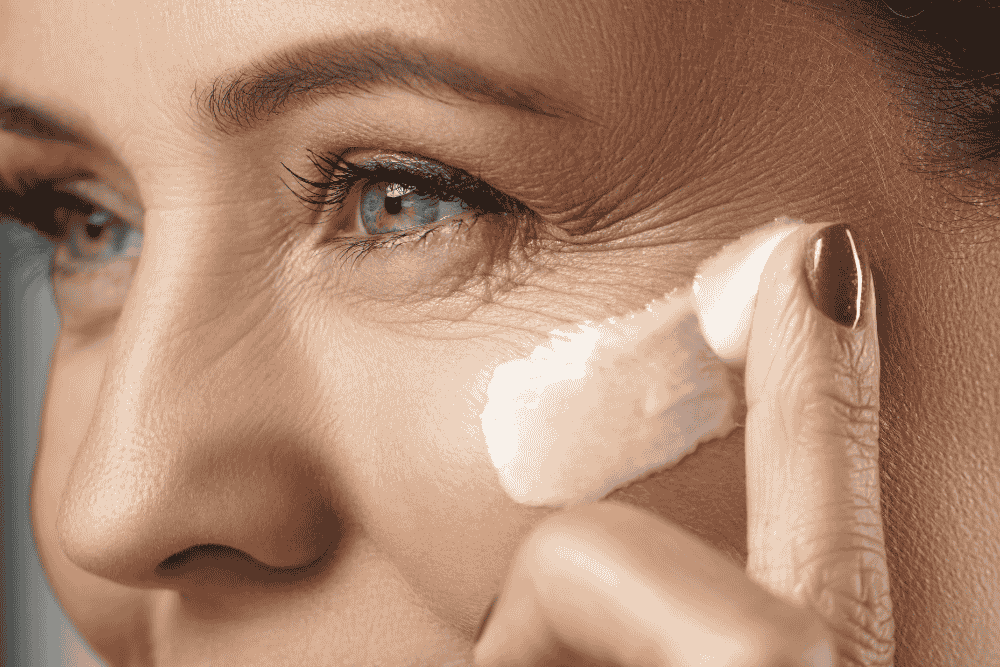


Skin Care for Oily Skin: Balance and Control Shine
Skin care for oily skin can be challenging, especially when excess shine, clogged pores, and frequent breakouts affect daily confidence. The key to successful skin care for oily skin is not eliminating oil completely, but learning how to manage it in a balanced and healthy way. When treated correctly, oily skin can appear smooth, fresh, and youthful while remaining resilient over time. This comprehensive guide explains how to build an effective routine that controls oil without damaging the skin barrier.
Skin Care for Oily Skin: Understanding the Root Causes
Oily skin develops when sebaceous glands produce more sebum than the skin needs. Sebum is essential for protection and hydration, but overproduction can lead to visible shine, enlarged pores, and acne.
What Causes Excess Oil Production
Genetics play the biggest role in determining skin type. Hormonal changes during puberty, stress, or certain life stages can increase oil production. Environmental factors such as heat, humidity, and pollution also stimulate sebaceous glands.
Common Myths About Oily Skin
A common misconception is that oily skin does not require moisturizer. Another is that strong cleansers will solve oil problems. Both can worsen oil production by stripping the skin and triggering compensation.
Understanding why oily skin behaves the way it does is the foundation of effective care.
Why a Consistent Skin Care Routine Is Essential
Consistency is critical for maintaining oil balance. Random product changes or skipping steps often confuse the skin and increase oil production.
How Consistency Helps Control Oil
When the skin receives regular cleansing and hydration, it learns to regulate sebum output naturally over time.
Morning vs. Evening Routines
Morning routines should focus on cleansing, hydration, and protection. Evening routines prioritize deep cleansing and repair. Both are necessary for long-term results.
Cleansing Methods That Work for Oily Skin
Cleansing is the most important step in any routine designed for oily skin.
Choosing the Right Cleanser
Gel-based or foaming cleansers are ideal. Ingredients like salicylic acid help unclog pores and reduce breakouts without overdrying.
How Often Should You Cleanse
Cleansing twice a day is sufficient. Washing more frequently can strip the skin and cause rebound oil production.
Cleansing Mistakes to Avoid
Avoid hot water, aggressive scrubbing, and alcohol-heavy formulas, as they irritate the skin and worsen oil imbalance.

Skin Care for Oily Skin: Moisturizing Without the Grease
Moisturizing is one of the most misunderstood steps in skin care for oily skin.
Why Oily Skin Still Needs Moisture
When skin lacks hydration, it produces more oil to compensate. Proper moisturization actually reduces excess shine.
Best Moisturizers for Oily Skin
Lightweight, oil-free, non-comedogenic moisturizers are ideal. Gel textures absorb quickly and leave a matte or natural finish.
Key Ingredients That Support Balance
Hyaluronic acid hydrates without heaviness, while niacinamide helps regulate oil production and refine pores.
Targeted Treatments for Oil Control and Clarity
Beyond cleansing and moisturizing, targeted treatments can dramatically improve oily skin.
Exfoliation for Oily Skin
Chemical exfoliants like salicylic acid penetrate pores and remove buildup more effectively than physical scrubs.
Masks and Spot Treatments
Clay and charcoal masks absorb excess oil when used once or twice a week. Spot treatments help manage breakouts without irritating surrounding skin.
Serums That Improve Skin Texture
Lightweight serums containing niacinamide or zinc can reduce shine and improve overall skin appearance.
Lifestyle Habits That Influence Oily Skin
Skin care extends beyond products. Daily habits have a direct impact on oil production.
Diet and Hydration
A diet high in sugar and processed foods may worsen oiliness. Drinking water and eating balanced meals support healthier skin.
Stress, Sleep, and Skin Health
Stress increases cortisol levels, which can trigger excess oil production. Adequate sleep and stress management help stabilize skin behavior.
Habits to Avoid
Frequent face-touching, heavy makeup, and dirty makeup tools can clog pores and increase oil-related issues.

Final Thoughts
Skin care for oily skin is about balance, patience, and consistency. Oil is not the enemy—it is a natural part of healthy skin. With the right cleansing routine, proper hydration, targeted treatments, and supportive lifestyle habits, oily skin can become clearer, smoother, and easier to manage. Long-term improvements come from steady care rather than harsh or quick fixes.
FAQs about Skin Care for Oily Skin
Is oily skin unhealthy in the long term?
No. Oily skin often ages more slowly because natural oils help maintain elasticity. Proper care prevents common issues like acne and clogged pores.
Can oily skin become dehydrated?
Yes. Using harsh products or skipping moisturizer can dehydrate the skin, causing it to produce even more oil.
How often should oily skin be exfoliated?
One to two times per week is ideal. Over-exfoliating can irritate the skin and worsen oil imbalance.
Are natural remedies effective for oily skin?
Some natural ingredients, such as aloe vera and clay, can help absorb oil, but they work best when combined with a proper routine.
Does oily skin need sunscreen every day?
Absolutely. Oil-free, lightweight sunscreens protect the skin without clogging pores or increasing shine.
When will results become noticeable?
Most people see improvement within two to four weeks of consistent care, with continued benefits over several months.
Shop Miss Fluffy Products to control excess oil, reduce shine, and build a balanced skin care routine designed specifically for oily skin.