

Hair Moisture Balance: Hydrate & Shine
Achieving the perfect Hair Moisture Balance is one of the most important steps toward healthy, shiny, and manageable hair. When your hair has the right amount of moisture—not too dry and not overly saturated—it feels soft, looks glossy, and responds better to styling. However, many people struggle to maintain this delicate balance due to environmental factors, product misuse, and lack of proper hair care knowledge.
In this comprehensive guide, you’ll learn what Hair Moisture Balance truly means, how to identify imbalances, and the best strategies to restore and maintain hydration for long-term hair health.
What Is Hair Moisture Balance?
Hair Moisture Balance refers to the optimal level of hydration within the hair shaft. Hair is primarily made of keratin, a protein structure that relies on moisture to remain flexible and resilient. When moisture levels are balanced, hair appears smooth, shiny, and elastic.
Why Moisture Matters for Hair Health
Moisture plays a critical role in:
- Preventing brittleness and breakage
- Enhancing elasticity
- Improving shine and smoothness
- Reducing frizz
- Supporting overall scalp health
Without adequate moisture, hair becomes dry and fragile. Conversely, excessive moisture can weaken the protein structure, leading to limp and lifeless strands.
The Science Behind Hair Hydration
Hair strands consist of three layers:
- Cuticle – The outer protective layer
- Cortex – The middle layer responsible for strength and color
- Medulla – The innermost core
When the cuticle is damaged or raised, moisture escapes easily. Proper hair care focuses on sealing the cuticle to retain hydration while maintaining protein integrity.
Signs Your Hair Moisture Balance Is Off
Recognizing early signs of imbalance helps prevent long-term damage.
Signs of Dry Hair (Moisture Deficiency)
- Rough texture
- Dull appearance
- Excessive frizz
- Split ends
- Breakage when brushing
Dry hair lacks internal hydration, making it rigid and prone to snapping.
Signs of Over-Moisturized Hair
- Limp, mushy texture
- Lack of volume
- Stretchy strands that don’t bounce back
- Difficulty holding styles
Over-conditioning or frequent deep treatments without protein can cause this condition.
Causes of Moisture Imbalance
Understanding the root causes of imbalance allows for better prevention.
Environmental Factors
- Sun exposure
- Wind and dry climates
- Cold weather
- Chlorinated or salt water
These elements strip natural oils and reduce hydration levels.
Heat Styling and Chemical Treatments
Frequent use of flat irons, curling wands, and blow dryers damages the cuticle. Chemical treatments such as bleaching, perming, and relaxing further disrupt Hair Moisture Balance by weakening structural proteins.
Improper Product Use
Using products not suited to your hair type can either dry it out or oversaturate it. For example:
- Heavy creams on fine hair
- Excess protein treatments
- Clarifying shampoos used too frequently
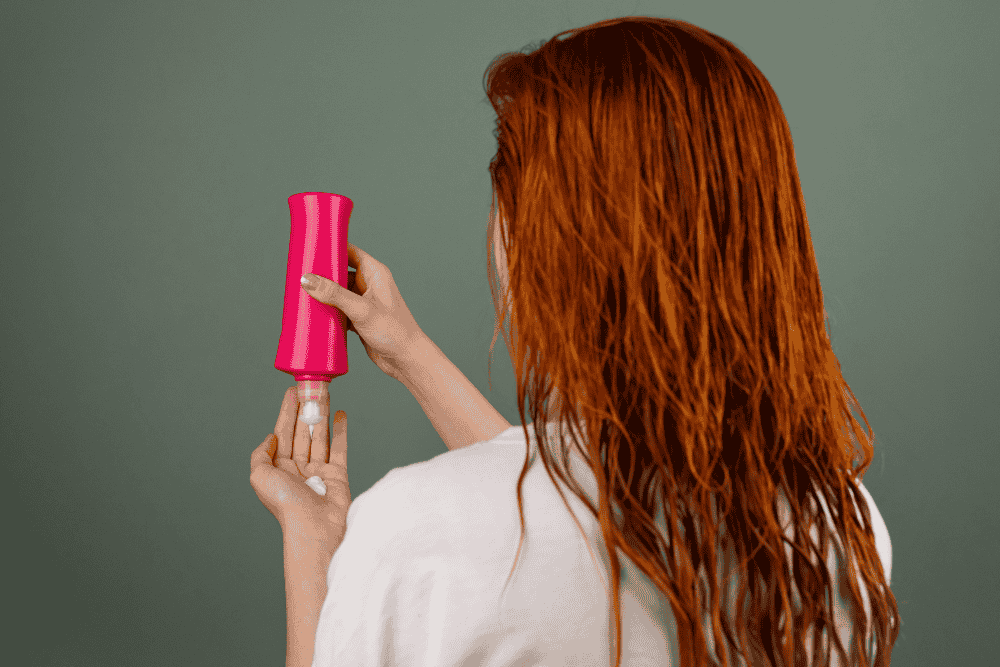
How to Restore Hair Moisture Balance
Restoring balance requires a combination of hydration and structural support.
Step 1: Choose the Right Shampoo
Opt for sulfate-free shampoos that cleanse without stripping natural oils. Look for ingredients like:
- Aloe vera
- Glycerin
- Coconut water
- Panthenol
These help retain hydration while cleaning the scalp.
Step 2: Deep Condition Strategically
Deep conditioning once a week helps replenish lost moisture. Apply evenly from mid-length to ends and use heat (like a warm towel) to improve absorption.
Step 3: Incorporate Protein Treatments When Needed
Protein strengthens the hair structure and prevents over-moisturization. Balance is key—too much protein can cause stiffness, while too little leads to weakness.
Step 4: Seal in Moisture
After washing, use lightweight oils or leave-in conditioners to lock hydration inside the hair shaft. Popular sealing oils include:
- Argan oil
- Jojoba oil
- Grapeseed oil
Daily Habits That Support Healthy Hydration
Maintaining Hair Moisture Balance isn’t only about treatments—it’s about daily care habits.
Protect Your Hair at Night
- Use a silk or satin pillowcase
- Wear a silk bonnet
- Avoid tight hairstyles
These reduce friction and moisture loss.
Avoid Overwashing
Washing too frequently strips natural oils. Most hair types benefit from washing 2–3 times per week.
Limit Heat Exposure
If heat styling is necessary:
- Always apply a heat protectant
- Use lower temperature settings
- Allow hair to air dry partially
Best Ingredients for Maintaining Hair Moisture Balance
Knowing which ingredients support hydration helps you make informed product choices.
Hydrating Ingredients
- Hyaluronic acid
- Aloe vera
- Glycerin
- Honey
These ingredients attract moisture to the hair.
Strengthening Ingredients
- Hydrolyzed keratin
- Silk proteins
- Collagen
They reinforce the hair structure and support balance.
Ingredients to Avoid in Excess
- Alcohol (drying types)
- Harsh sulfates
- Overuse of heavy butters on fine hair
Balance is about moderation and suitability for your hair type.
Hair Moisture Balance for Different Hair Types
Not all hair types require the same moisture strategy.
Straight Hair
- Needs lightweight hydration
- Avoid heavy creams
- Focus on scalp balance
Wavy Hair
- Requires moderate moisture
- Use curl-enhancing leave-ins
- Avoid product buildup
Curly and Coily Hair
- Naturally drier due to curl pattern
- Benefit from richer creams
- Need consistent deep conditioning
Chemically Treated Hair
- Requires extra hydration and protein
- Avoid harsh cleansers
- Schedule regular strengthening treatments

Final Thoughts
Maintaining proper Hair Moisture Balance is essential for achieving soft, shiny, and resilient hair. The key lies in understanding your hair’s unique needs and adjusting your routine accordingly. By choosing suitable products, incorporating both moisture and protein treatments, and practicing protective daily habits, you can transform dull, brittle strands into healthy, glowing hair.
Consistency is what truly makes the difference. When you listen to your hair and respond to its changing needs, you’ll enjoy long-term shine, manageability, and strength.
FAQs about Hair Moisture Balance
What is Hair Moisture Balance and why is it important?
Hair Moisture Balance refers to the correct level of hydration within the hair shaft. It is important because it prevents dryness, breakage, and limpness while promoting shine and elasticity.
How often should I deep condition my hair?
Most hair types benefit from deep conditioning once per week. However, very dry or curly hair may require more frequent treatments.
Can too much moisture damage hair?
Yes. Over-moisturized hair can become weak, stretchy, and prone to breakage. Incorporating protein treatments helps restore structural integrity.
How do I know if my hair needs protein instead of moisture?
If your hair feels overly soft, limp, and lacks elasticity, it may need protein rather than additional moisture.
Are natural oils enough to maintain moisture balance?
Natural oils help seal moisture but do not hydrate hair on their own. Proper hydration requires water-based products combined with sealing oils.
Does climate affect Hair Moisture Balance?
Absolutely. Dry climates reduce hydration levels, while humid environments can cause frizz and excess moisture absorption. Adjust your routine accordingly.
Shop Miss Fluffy products now and choose the care that enhances your natural beauty with confidence.