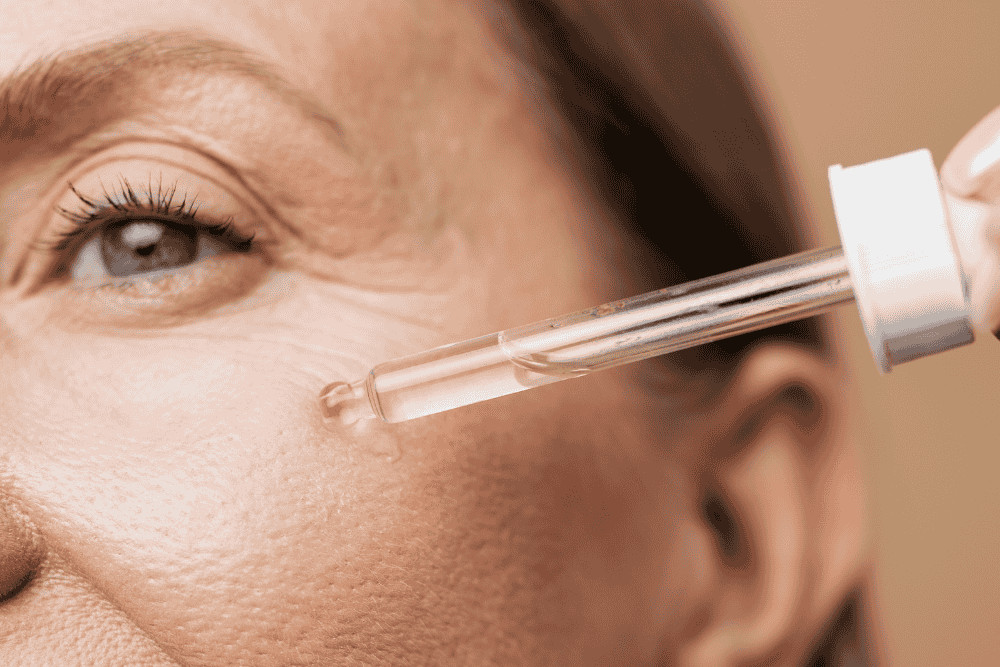
Anti-Aging Serums: Youthful Skin Care
When it comes to achieving smoother, firmer, and more radiant skin, Anti-Aging Serums have become a must-have in modern skincare routines. These powerful formulas are designed to target visible signs of aging like fine lines, wrinkles, dullness, and uneven texture. Unlike traditional moisturizers, serums are lightweight and packed with concentrated active ingredients that penetrate deeper into the skin. If you’re serious about maintaining youthful skin care, understanding how anti-aging serums work—and how to choose the right one—can truly transform your results.
In this comprehensive guide, we’ll explore everything you need to know about Anti-Aging Serums, from key ingredients to application tips and expert advice.
What Are Anti-Aging Serums and How Do They Work?
Anti-Aging Serums are lightweight, fast-absorbing skincare products formulated with high concentrations of active ingredients. Their main goal is to combat visible signs of aging and improve overall skin health.
Why Serums Are Different from Creams
Serums have smaller molecular structures compared to creams and lotions. This allows them to penetrate deeper into the skin layers, delivering potent ingredients directly where they are needed most. While moisturizers focus on hydration and barrier protection, serums are designed to treat specific skin concerns.
How They Target Signs of Aging
Anti-aging serums typically work by:
- Stimulating collagen production
- Boosting skin cell turnover
- Reducing oxidative stress
- Improving skin elasticity
- Brightening dull complexions
As we age, collagen production naturally declines, leading to sagging and wrinkles. A well-formulated serum helps slow this process and supports healthier-looking skin over time.
Key Ingredients to Look for in Anti-Aging Serums
Not all serums are created equal. The effectiveness of Anti-Aging Serums depends largely on their ingredients.
Retinol
Retinol, a derivative of Vitamin A, is one of the most researched anti-aging ingredients. It encourages cell turnover and collagen production, reducing fine lines and improving skin texture.
Vitamin C
Vitamin C is a powerful antioxidant that protects the skin from environmental damage. It also brightens the complexion and helps fade dark spots.
Hyaluronic Acid
This ingredient deeply hydrates the skin by attracting and retaining moisture. Plump, hydrated skin naturally appears smoother and younger.
Peptides
Peptides support collagen synthesis and improve skin firmness. They are often used to enhance elasticity and reduce sagging.
Niacinamide
Niacinamide helps improve skin tone, strengthen the skin barrier, and reduce inflammation.
When selecting a serum, always review the ingredient list carefully. Choosing the right active ingredients for your specific skin concerns makes all the difference.
Benefits of Using Anti-Aging Serums Daily
Consistency is key when it comes to skincare. Using Anti-Aging Serums daily can offer noticeable improvements over time.
Smoother Skin Texture
Regular application promotes cell turnover, helping to smooth rough patches and refine pores.
Reduction in Fine Lines and Wrinkles
Collagen-boosting ingredients gradually soften expression lines and prevent new wrinkles from forming.
Improved Skin Radiance
Antioxidants combat dullness and protect against pollution and UV damage, resulting in brighter skin.
Enhanced Hydration and Elasticity
Hydrating components like hyaluronic acid maintain moisture balance and prevent dryness, which often exaggerates signs of aging.
The benefits build gradually. Most users notice visible improvements within 4–8 weeks of consistent use.
How to Choose the Right Anti-Aging Serum for Your Skin Type
Selecting the perfect serum depends on understanding your skin type and primary concerns.
For Dry Skin
Look for serums with:
- Hyaluronic acid
- Ceramides
- Glycerin
Avoid overly harsh active ingredients that can cause further dryness.
For Oily or Acne-Prone Skin
Choose lightweight, non-comedogenic formulas with:
- Niacinamide
- Salicylic acid
- Low-concentration retinol
For Sensitive Skin
Opt for gentle formulations that include:
- Peptides
- Aloe vera
- Fragrance-free ingredients
Always perform a patch test before introducing a new product into your routine.
How to Properly Apply Anti-Aging Serums
Even the best Anti-Aging Serums won’t deliver results if used incorrectly.
Step-by-Step Application Guide
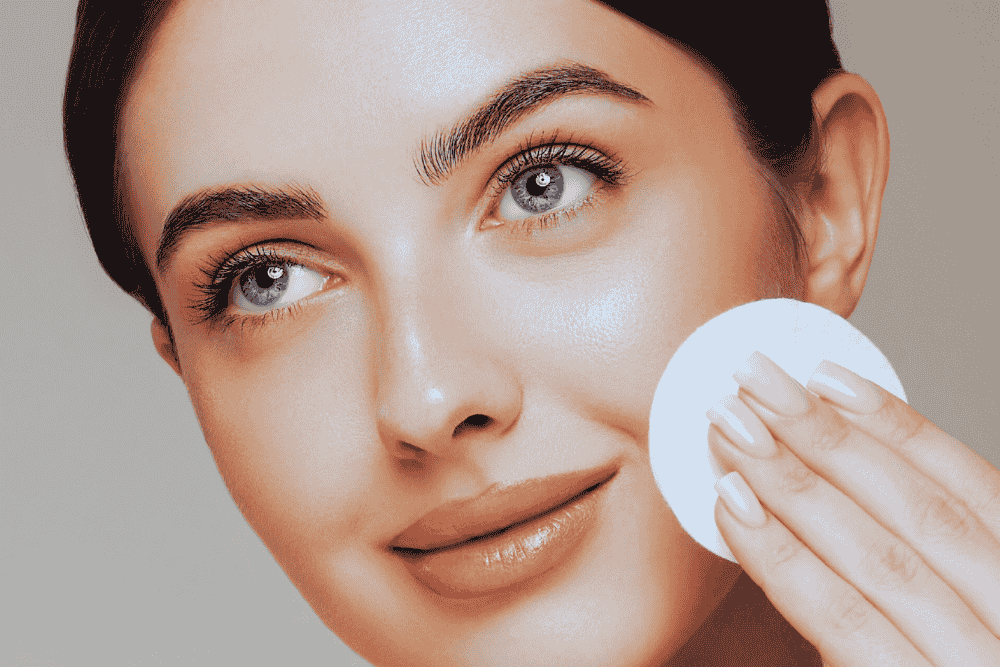
- Cleanse your face thoroughly.
- Apply toner (optional but beneficial).
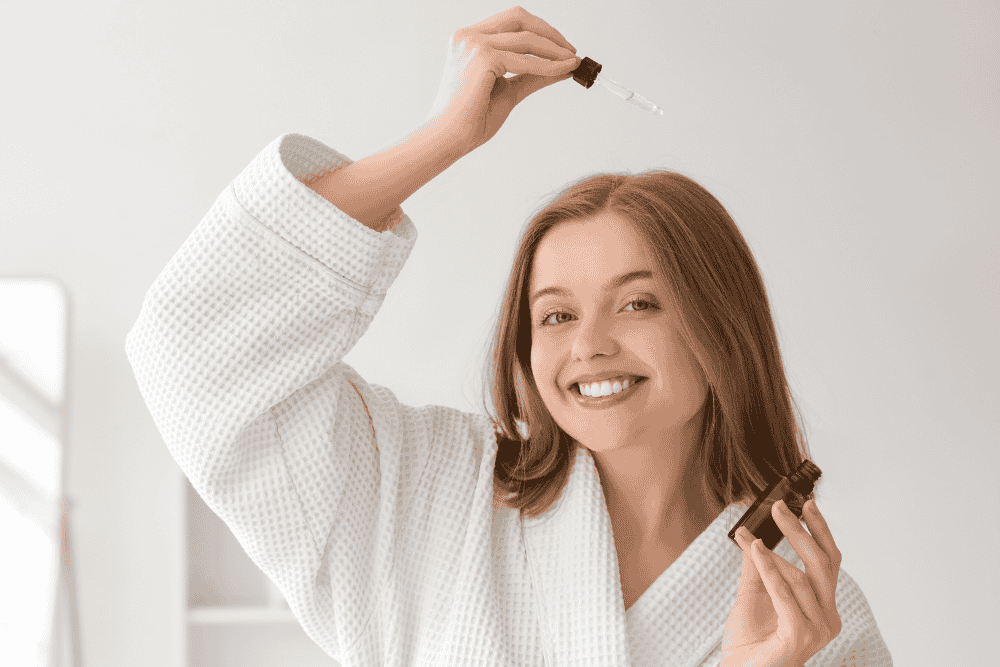
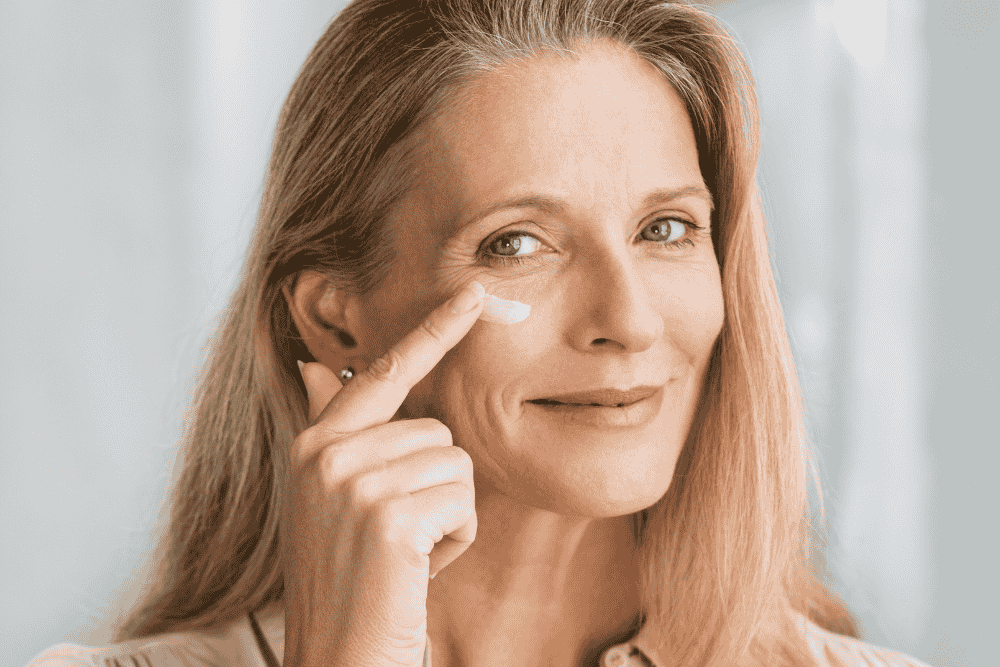
- Use 2–3 drops of serum on slightly damp skin.
- Gently press or pat into the skin—avoid rubbing.
- Follow with moisturizer to seal in active ingredients.
- Apply sunscreen during the day.
When to Apply
- Vitamin C serums are best used in the morning.
- Retinol serums should be applied at night.
Using sunscreen daily is essential, especially when using active ingredients that increase skin sensitivity.
Common Mistakes to Avoid with Anti-Aging Serums
Even high-quality products can cause issues if misused.
Overusing Active Ingredients
Applying too much product won’t speed up results. In fact, it can cause irritation, redness, and peeling.
Mixing Incompatible Ingredients
Avoid combining:
- Retinol and strong exfoliating acids (unless guided by a professional).
- High-concentration Vitamin C with certain active acids.
Skipping Sunscreen
Sun exposure is one of the primary causes of premature aging. According to the American Academy of Dermatology (https://www.aad.org), daily sunscreen use is crucial when using active skincare ingredients.
Expecting Overnight Results
Patience is essential. Anti-aging skincare is a long-term investment in your skin’s health.

Final Thoughts
Anti-Aging Serums are powerful tools in the journey toward smoother, firmer, and more radiant skin. By choosing formulas with proven ingredients and applying them consistently, you can significantly reduce visible signs of aging. Remember that skincare is not about quick fixes—it’s about creating sustainable habits that support your skin over time.
Understanding your skin type, selecting the right ingredients, and following a proper routine will ensure you get the most out of your serum. With dedication and informed choices, youthful-looking skin is absolutely achievable.
FAQs about Anti-Aging Serums
What age should I start using Anti-Aging Serums?
Most experts recommend starting in your mid-to-late 20s when collagen production begins to decline. Prevention is easier than correction.
Can I use Anti-Aging Serums every day?
Yes, most serums are designed for daily use. However, strong ingredients like retinol should be introduced gradually.
How long does it take to see results?
Visible improvements typically appear within 4 to 8 weeks. Deeper wrinkles may take longer to improve.
Are Anti-Aging Serums safe for sensitive skin?
Yes, but choose formulas specifically designed for sensitive skin and always patch test first.
Can I combine multiple anti-aging serums?
Layering is possible, but avoid combining ingredients that may cause irritation. Consult a dermatologist if unsure.
Do I still need moisturizer after applying serum?
Absolutely. Serums deliver active ingredients, but moisturizers help lock in hydration and protect the skin barrier.
Shop Miss Fluffy products now and choose the care that enhances your natural beauty with confidence.