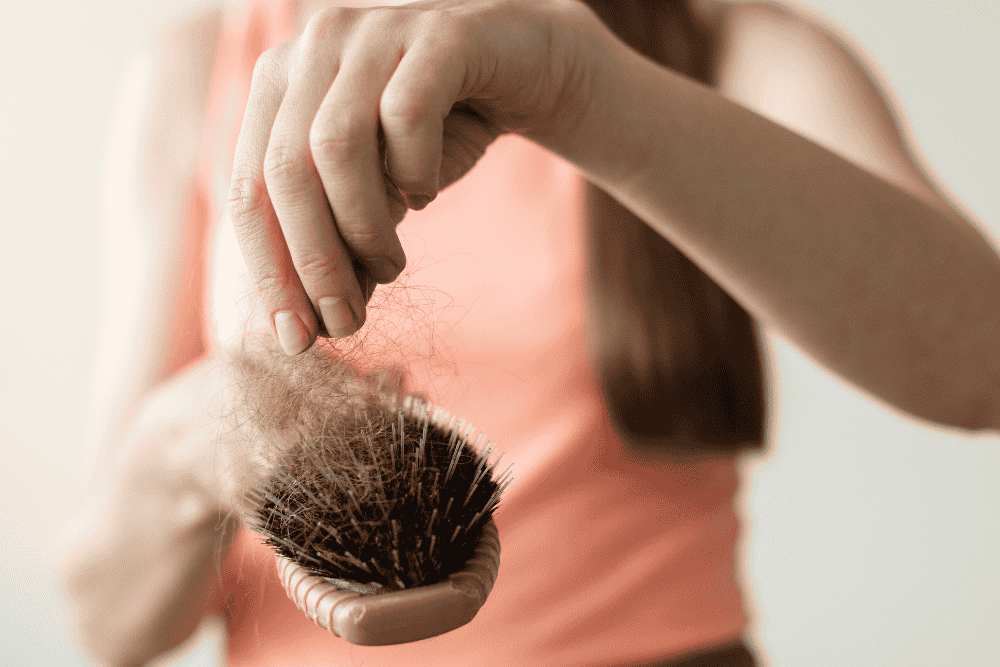
Hair Damage Solutions: Repair & Restore
Healthy, shiny hair is often seen as a sign of confidence and self-care. Yet daily styling, heat tools, chemical treatments, pollution, and even stress can leave strands dry, brittle, and lifeless. That’s where Hair Damage Solutions come in. With the right approach, you can repair weakened strands, reduce breakage, and restore natural shine. The key is understanding what caused the damage and applying targeted treatments that strengthen hair from root to tip.
In this detailed guide, we’ll explore practical and effective Hair Damage Solutions that truly work. Whether your hair is suffering from split ends, dryness, frizz, or chemical overprocessing, you’ll find expert-backed strategies to help you rebuild healthier, stronger locks.
Understanding the Causes of Hair Damage
Before diving into repair strategies, it’s essential to understand what causes hair damage in the first place. Damaged hair doesn’t happen overnight. It’s usually the result of repeated stress over time.
Heat Styling
Frequent use of flat irons, curling wands, and blow dryers strips moisture from hair. High temperatures break down the protein structure, leaving strands fragile.
Chemical Treatments
Coloring, bleaching, relaxing, and perming can weaken the hair shaft. These processes alter the natural structure of hair, often leading to dryness and breakage.
Environmental Factors
Sun exposure, wind, pollution, and hard water can all contribute to dullness and brittleness.
Mechanical Damage
Over-brushing, tight hairstyles, and rough towel drying can weaken strands and cause split ends.
Understanding these triggers allows you to choose the right Hair Damage Solutions tailored to your specific concerns.
Signs Your Hair Needs Repair
Not sure if your hair is damaged? Here are clear indicators that your strands need attention.
Excessive Dryness
If your hair feels rough and lacks softness, it’s likely dehydrated.
Split Ends
Split or frayed ends are one of the most visible signs of damage.
Breakage and Shedding
Hair that snaps easily when brushed or styled indicates weakened strands.
Loss of Shine
Healthy hair reflects light. Dullness often signals structural damage.
Recognizing these symptoms early helps you take action before the damage worsens.
Daily Habits That Prevent Further Damage
Prevention is just as important as repair. Simple daily habits can protect your hair and reduce long-term damage.
Use a Heat Protectant
Always apply a heat protectant spray before using hot tools. It forms a barrier that minimizes moisture loss.
Choose Gentle Hair Ties
Avoid tight elastics that cause tension and breakage. Opt for soft fabric scrunchies instead.
Switch to a Microfiber Towel
Regular towels can roughen the hair cuticle. Microfiber towels reduce friction and frizz.
Limit Washing Frequency
Washing hair too often strips natural oils. Try washing every two to three days to maintain moisture balance.
These small changes make a big difference in maintaining healthy hair.

Deep Conditioning as a Core Hair Damage Solutions Strategy
Deep conditioning is one of the most effective Hair Damage Solutions for restoring moisture and strength.
Why Deep Conditioning Works
Deep conditioners contain concentrated nutrients that penetrate the hair shaft. They replenish lost moisture and repair weakened areas.
How Often Should You Deep Condition?
- Dry or curly hair: 1–2 times per week
- Oily hair: Once a week
- Chemically treated hair: Twice weekly for intense repair
Key Ingredients to Look For
- Keratin – Strengthens protein structure
- Argan oil – Adds shine and softness
- Shea butter – Locks in moisture
- Aloe vera – Soothes scalp and hydrates
For best results, apply deep conditioner to damp hair and leave it on for at least 20–30 minutes before rinsing.
Protein Treatments for Strength and Repair
Hair is primarily made of protein. When damaged, it loses structural integrity. Protein treatments help rebuild strength.
How Protein Helps
Protein fills gaps in the hair cuticle caused by chemical and heat damage. This reinforces strands and reduces breakage.
When to Use Protein Treatments
If your hair feels stretchy and weak when wet, it may need protein. However, balance is key. Too much protein can make hair stiff.
Combining Moisture and Protein
The most effective Hair Damage Solutions combine both hydration and protein. Moisture keeps hair flexible, while protein provides strength. A balanced routine prevents further breakage and improves elasticity.
Natural Remedies for Repairing Damaged Hair
Natural ingredients can also support healthy hair recovery.
Coconut Oil Treatment
Coconut oil penetrates the hair shaft and reduces protein loss. Apply it as a pre-shampoo treatment for 30 minutes.
Avocado Hair Mask
Rich in healthy fats and vitamins, mashed avocado nourishes dry strands and boosts softness.
Egg Mask
Eggs contain protein that helps strengthen weakened hair. Mix with olive oil for added moisture.
Aloe Vera Gel
Aloe soothes the scalp and hydrates hair, reducing dryness and irritation.
While natural remedies can be effective, consistency is essential for noticeable improvement.
Professional Treatments That Restore Hair Health
For severe damage, professional treatments may offer faster results.
Keratin Treatments
Keratin treatments smooth and strengthen hair, reducing frizz and improving shine.
Bond-Building Treatments
Products designed to repair broken hair bonds can dramatically improve hair texture after bleaching or chemical services.
Scalp Therapy
A healthy scalp promotes healthy hair growth. Professional scalp treatments remove buildup and improve circulation.
Consulting a licensed stylist can help you determine which treatment suits your hair type and condition.
Final Thoughts
Repairing damaged hair requires patience and the right strategy. The most effective Hair Damage Solutions focus on three key pillars: prevention, hydration, and strengthening. By understanding the causes of damage and adopting protective habits, you can stop further harm. Incorporating deep conditioning, balanced protein treatments, and natural remedies will gradually restore shine and resilience.
Remember, healthy hair doesn’t happen overnight. With consistent care and mindful styling choices, you can revive dull, brittle strands and enjoy stronger, smoother hair that feels as good as it looks.
FAQs about Hair Damage Solutions
What is the fastest way to repair damaged hair?
The fastest approach combines trimming split ends, deep conditioning twice weekly, and reducing heat styling. Professional bond-repair treatments can also provide quicker visible improvement.
Can damaged hair truly be repaired?
While split ends must be trimmed, many forms of damage can be improved. Hydration, protein treatments, and protective habits strengthen hair and enhance appearance over time.
How often should I use Hair Damage Solutions treatments?
It depends on your hair type. Most people benefit from deep conditioning once a week and protein treatments every 3–4 weeks.
Are natural remedies effective for hair repair?
Yes, natural treatments like coconut oil and avocado masks can improve moisture levels. However, severe chemical damage may require professional products.
Does cutting hair help with damage?
Yes. Trimming removes split ends and prevents them from traveling up the hair shaft, reducing further breakage.
Can I prevent hair damage completely?
While some environmental factors are unavoidable, limiting heat, avoiding harsh chemicals, and maintaining a balanced hair care routine significantly reduce the risk of damage.
Shop Miss Fluffy products now and choose the care that enhances your natural beauty with confidence.