
Hydrating Face Serums: Moisture Boost
Hydrating Face Serums have become a must-have in modern skincare routines—and for good reason. If your skin ever feels tight, dull, flaky, or just “off,” chances are it’s craving hydration. Unlike heavy creams, hydrating face serums are lightweight, fast-absorbing, and packed with moisture-binding ingredients that help your skin look plump, smooth, and healthy.
In today’s world of air conditioning, pollution, stress, and harsh weather, keeping your skin hydrated isn’t optional—it’s essential. Whether you have dry, oily, sensitive, or combination skin, adding a hydrating serum can dramatically improve your skin’s texture and glow. Let’s dive deep into how they work, why they matter, and how to choose the perfect one for your needs.
What Are Hydrating Face Serums and How Do They Work?
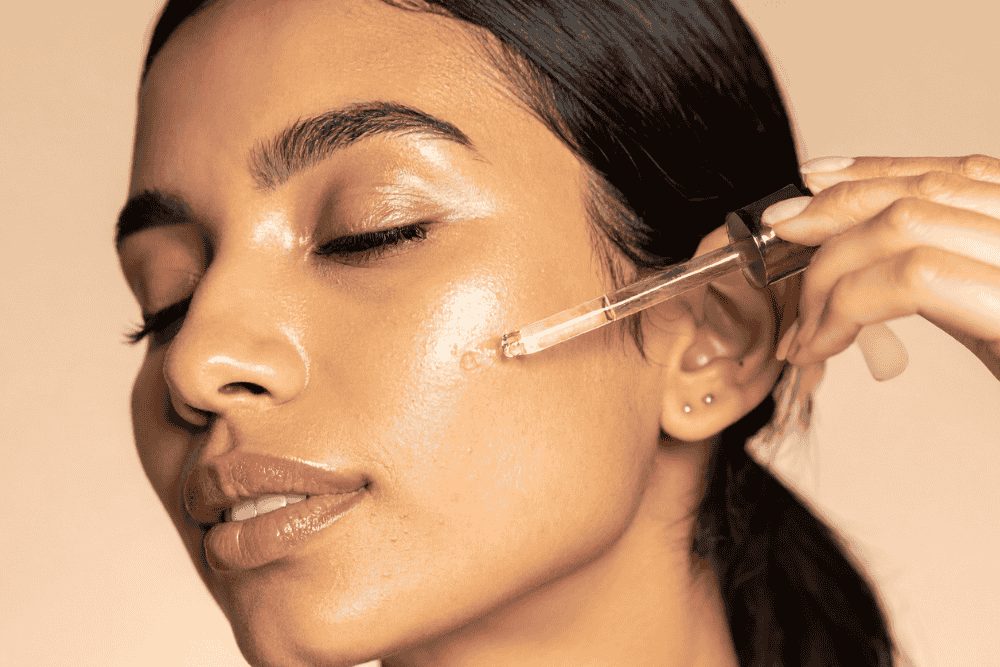
Hydrating face serums are lightweight skincare products designed to deliver intense moisture deep into the skin. Unlike moisturizers that sit mostly on the surface, serums contain smaller molecules that penetrate more effectively.
The Science Behind Skin Hydration
Your skin naturally contains water and natural moisturizing factors (NMFs) that keep it soft and elastic. However, environmental stressors like sun exposure, wind, and indoor heating can strip moisture away. Over time, dehydration can lead to:
- Fine lines
- Dullness
- Increased sensitivity
- Uneven texture
Hydrating serums help replenish lost moisture and strengthen the skin barrier, which prevents water loss.
Key Ingredients That Power Hydrating Serums
Most hydrating face serums rely on humectants and barrier-supporting ingredients such as:
- Hyaluronic Acid – Holds up to 1,000 times its weight in water.
- Glycerin – Draws moisture into the skin.
- Aloe Vera – Soothes and hydrates.
- Panthenol (Vitamin B5) – Calms irritation and boosts hydration.
- Ceramides – Support the skin barrier.
These ingredients work together to create smoother, plumper-looking skin almost instantly.
Why Your Skin Needs Hydrating Face Serums
Many people assume only dry skin needs hydration. That’s a myth. Every skin type benefits from proper moisture balance.
Dehydrated vs. Dry Skin
- Dry skin lacks oil.
- Dehydrated skin lacks water.
Even oily skin can be dehydrated. In fact, when your skin lacks water, it may produce more oil to compensate—leading to breakouts.
Long-Term Benefits of Regular Use
Consistent use of hydrating face serums can:
- Improve skin elasticity
- Reduce the appearance of fine lines
- Enhance natural glow
- Strengthen the skin barrier
- Improve makeup application
Over time, your skin becomes more resilient and balanced.
Key Ingredients to Look for in Hydrating Face Serums
Choosing the right formula can feel overwhelming. Let’s break down the most effective ingredients and what they do.
Hyaluronic Acid: The Hydration Hero
Hyaluronic acid is one of the most researched hydrating ingredients. According to the American Academy of Dermatology (AAD), humectants like hyaluronic acid attract water into the skin, improving texture and softness. You can learn more about skin hydration science on the official AAD website: https://www.aad.org.
Look for multi-weight hyaluronic acid formulas for deeper penetration.
Glycerin and Natural Humectants
Glycerin is often overlooked but extremely effective. It helps pull moisture from the environment into your skin.
Other natural humectants include:
- Honey
- Sodium PCA
- Urea
Barrier-Repair Ingredients
Hydration isn’t just about adding water—it’s about keeping it in. Ingredients like:
- Ceramides
- Cholesterol
- Fatty acids
help lock in moisture and repair a compromised skin barrier.
How to Choose the Right Hydrating Face Serum for Your Skin Type
Not all hydrating face serums are created equal. Your skin type matters.
For Oily or Acne-Prone Skin
- Choose oil-free, non-comedogenic formulas
- Look for lightweight gel textures
- Avoid heavy fragrance
Hydrating properly can actually reduce excess oil production.
For Dry or Mature Skin
- Look for hyaluronic acid plus ceramides
- Choose slightly thicker serum textures
- Consider formulas with peptides
These combinations provide both hydration and anti-aging benefits.
For Sensitive Skin
- Choose fragrance-free options
- Look for soothing ingredients like aloe and panthenol
- Avoid alcohol-based formulas
Patch testing is always a smart move.
How to Use Hydrating Face Serums for Maximum Results
Even the best serum won’t work well if applied incorrectly.
Step-by-Step Application Guide
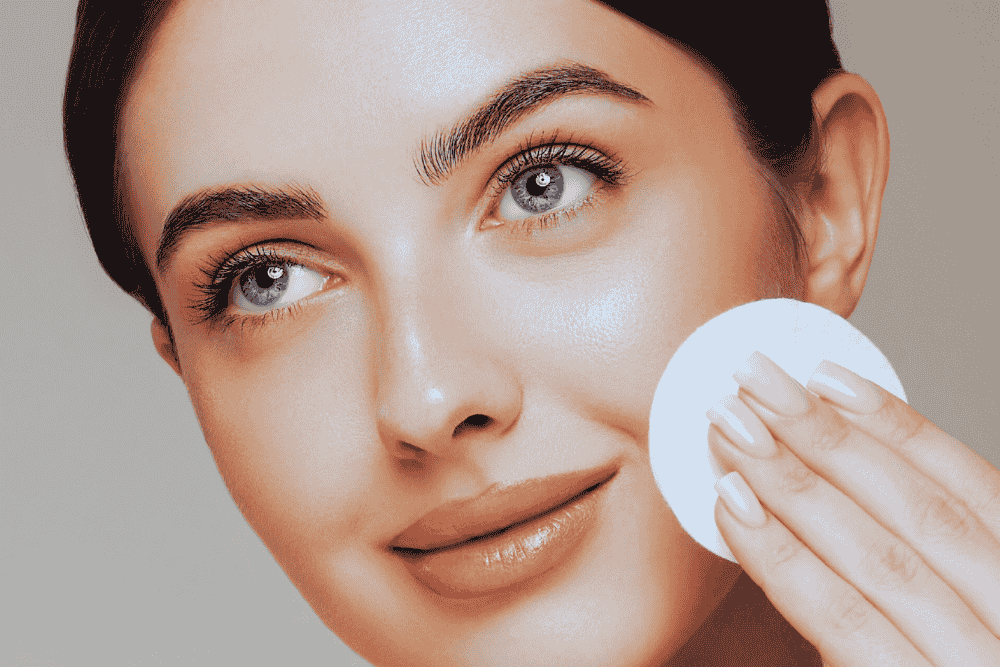
- Cleanse your face gently.
- Apply toner (optional).
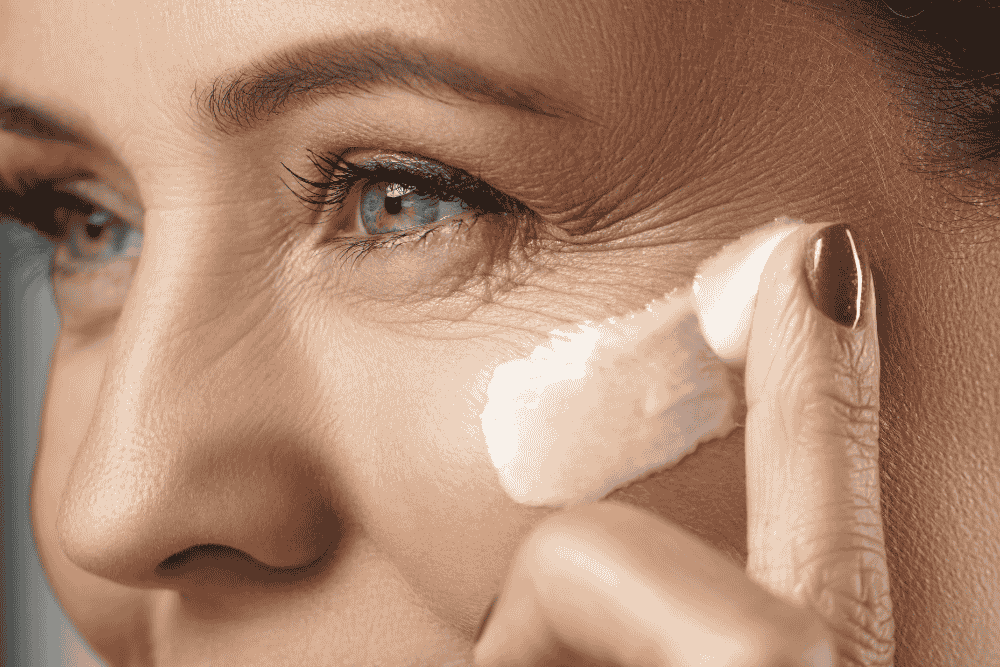
- Apply hydrating serum to damp skin.
- Follow with moisturizer to lock it in.
- Use sunscreen in the morning.
Applying to slightly damp skin helps humectants pull in more water.
How Often Should You Use It?
Most hydrating face serums are safe for:
- Morning use
- Evening use
- Daily application
Consistency is key. Hydration builds over time.
Common Mistakes to Avoid with Hydrating Face Serums
Sometimes, people don’t see results because of small mistakes.
Skipping Moisturizer
Serums add hydration, but moisturizers seal it in. Without a moisturizer, water may evaporate from your skin.
Overusing Product
More isn’t better. A few drops are enough. Overuse can cause pilling under makeup.
Mixing with Harsh Actives
Strong acids or retinoids can temporarily dry out your skin. Pair them carefully and balance with hydration.
The Long-Term Skin Benefits of Hydrating Face Serums
The magic of hydrating face serums isn’t just immediate—it’s cumulative.
Improved Skin Barrier Health
A strong barrier means:
- Less redness
- Fewer breakouts
- Reduced sensitivity
- Better protection from pollution
Anti-Aging Support
Dehydrated skin shows wrinkles more clearly. Proper hydration plumps fine lines, making skin look smoother and more youthful.
Enhanced Glow and Radiance
Well-hydrated skin reflects light better, giving you that healthy, dewy glow everyone wants.
Final Thoughts
Hydrating Face Serums are not just a trend—they are a foundational step in modern skincare. Whether your goal is smoother texture, fewer fine lines, or a brighter complexion, hydration plays a crucial role. By choosing the right formula for your skin type and using it consistently, you’ll notice a visible improvement in softness, plumpness, and overall skin health.
Remember, healthy skin starts with balanced hydration. Once you master that, everything else in your routine works better.
FAQs about Hydrating Face Serums
What is the difference between hydrating face serums and moisturizers?
Hydrating face serums penetrate deeper and deliver concentrated hydration, while moisturizers create a protective barrier to lock moisture in. Both are important and work best together.
Can oily skin use hydrating face serums?
Yes. Oily skin often lacks water, not oil. Using a lightweight hydrating serum can actually help regulate excess oil production.
How long does it take to see results?
You may notice immediate plumpness, but long-term improvements in texture and elasticity typically appear after 4–6 weeks of consistent use.
Should I use hydrating face serums before or after moisturizer?
Always apply serum before moisturizer. The serum treats and hydrates, and the moisturizer seals it in.
Can I use hydrating face serums with retinol?
Yes, and it’s recommended. Hydrating serums can reduce dryness and irritation caused by retinol, making your routine more balanced.
Are hydrating face serums safe for sensitive skin?
Most are, especially fragrance-free formulas with soothing ingredients. Always patch test new products before full application.
Shop Miss Fluffy products now and choose the care that enhances your natural beauty with confidence.