
Skin Blemish Control: Calm & Clear Skin
Achieving Skin Blemish Control is a goal many people share. Whether you’re dealing with occasional breakouts, dark spots, redness, or uneven texture, learning how to manage blemishes the right way can completely transform your skin. The good news? Calm, clear skin isn’t just wishful thinking. With the right habits, ingredients, and daily care routine, you can support balanced, healthy-looking skin that feels as good as it looks.
In this guide, we’ll explore proven strategies, smart skincare choices, and practical lifestyle changes that make skin blemish control easier and more effective. Let’s dive in.
Understanding Skin Blemishes and Why They Happen
Before mastering skin blemish control, it’s important to understand what blemishes actually are and why they show up.
What Are Skin Blemishes?
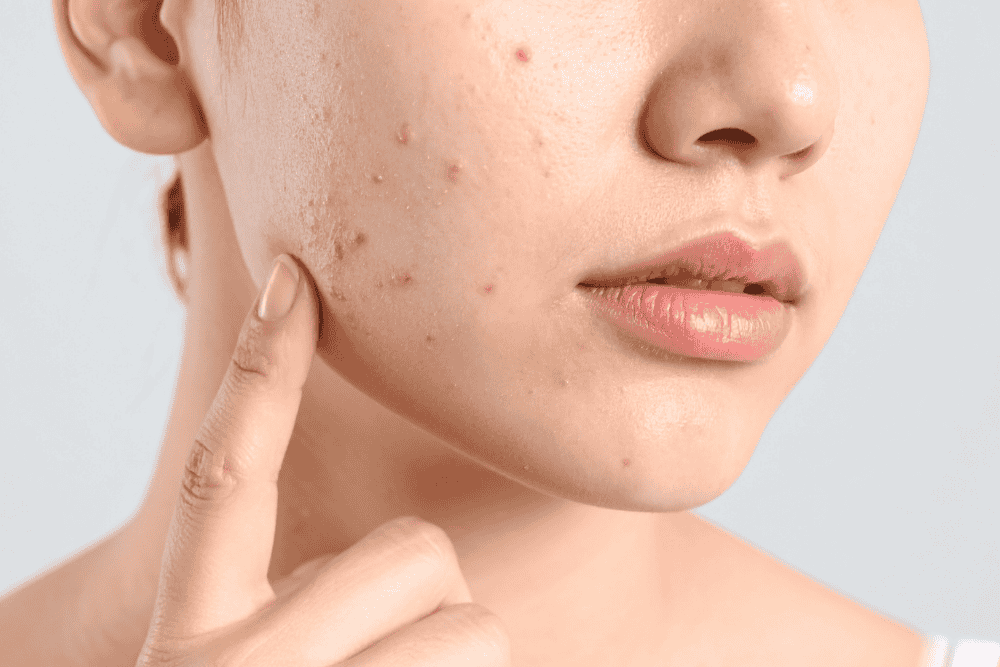
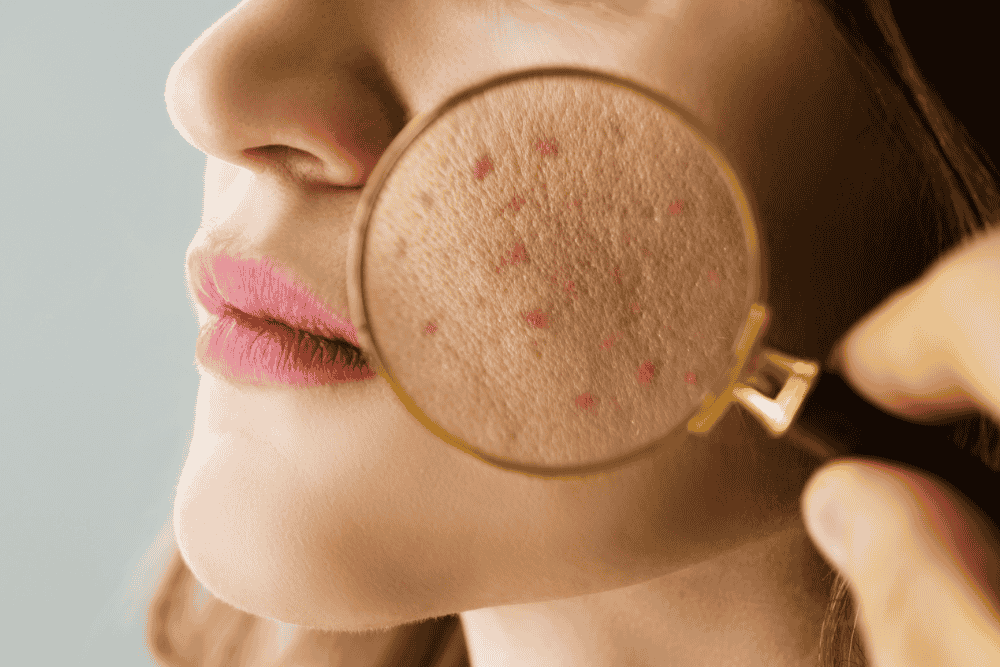
A skin blemish is any mark, discoloration, or imperfection on the skin. Common types include:
- Acne (whiteheads, blackheads, pimples)
- Dark spots (hyperpigmentation)
- Redness
- Scars
- Uneven skin tone
These can appear on the face, neck, chest, and back. While some blemishes fade on their own, others require targeted care.
Common Causes of Blemishes
Several factors contribute to blemishes:
- Excess oil production
- Clogged pores
- Hormonal changes
- Bacteria
- Sun exposure
- Poor skincare habits
- Stress and diet
When oil, dead skin cells, and bacteria combine, pores become blocked. This can lead to inflammation, redness, and breakouts. Understanding these triggers is the first step toward effective skin blemish control.
Daily Skincare Routine for Effective Skin Blemish Control
Consistency is everything. A structured routine builds the foundation for long-term results.
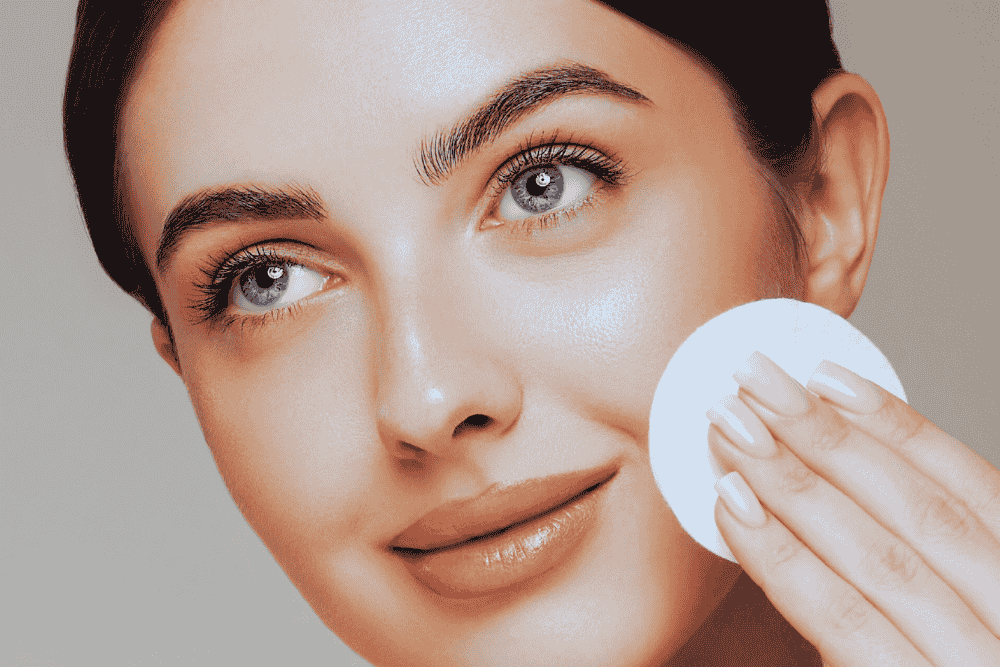
Step 1: Gentle Cleansing
Cleanse twice daily using a mild, non-stripping cleanser. This removes dirt, oil, and pollution without damaging the skin barrier.
Avoid harsh scrubs. Over-cleansing can irritate skin and make blemishes worse.
Step 2: Targeted Treatment
Look for treatments with ingredients like:
- Salicylic acid (helps unclog pores)
- Benzoyl peroxide (targets acne-causing bacteria)
- Niacinamide (reduces redness)
- Retinoids (promote cell turnover)
Apply treatments after cleansing and before moisturizing.
Step 3: Hydration & Moisturizing
Many people skip moisturizer, fearing it will cause breakouts. In reality, hydrated skin produces less excess oil. Choose a lightweight, non-comedogenic moisturizer.
Step 4: Sun Protection
Sun exposure can darken blemishes and scars. Apply a broad-spectrum SPF 30 or higher every day, even when it’s cloudy.
Key Ingredients That Support Clear, Balanced Skin
Certain skincare ingredients are especially powerful for skin blemish control.
Salicylic Acid
A beta hydroxy acid (BHA) that penetrates pores and dissolves oil buildup. Ideal for oily and acne-prone skin.
Retinol
Retinol boosts skin cell turnover and helps reduce acne scars and dark spots over time.
Niacinamide
This multitasking ingredient:
- Calms redness
- Strengthens the skin barrier
- Controls oil production
- Improves overall tone
Vitamin C
Vitamin C brightens dark spots and protects against environmental stress. It’s excellent for fading hyperpigmentation.
When introducing new ingredients, start slowly to prevent irritation.
Lifestyle Habits That Improve Skin Blemish Control
Skincare products matter, but your daily habits also play a big role.
Balanced Diet
Foods rich in antioxidants and omega-3 fatty acids support healthy skin. Try adding:
- Leafy greens
- Berries
- Nuts
- Fatty fish
Limit excessive sugar and processed foods, which may trigger inflammation.
Stress Management
Stress increases cortisol levels, which can boost oil production and cause breakouts. Try:
- Regular exercise
- Deep breathing
- Adequate sleep
- Mindfulness practices
Hygiene Habits
- Change pillowcases weekly
- Avoid touching your face
- Clean makeup brushes regularly
Small changes can make a big difference.
Professional Treatments for Stubborn Blemishes
Sometimes, at-home care isn’t enough. In those cases, professional treatments can help.
Chemical Peels
These treatments remove dead skin cells and improve skin tone. They can reduce dark spots and acne scars over time.
Laser Therapy
Laser treatments target pigmentation and promote collagen production.
Prescription Medications
Dermatologists may recommend:
- Prescription retinoids
- Oral antibiotics
- Hormonal treatments
- Isotretinoin (for severe acne)
For expert guidance, consult a licensed dermatologist or visit trusted medical resources like the American Academy of Dermatology at https://www.aad.org for reliable skin health information.
Common Mistakes That Worsen Blemishes
Even with the best intentions, certain habits can sabotage your progress.
Over-Exfoliating
Too much exfoliation damages the skin barrier, causing irritation and more breakouts.
Picking or Squeezing Pimples
This can:
- Spread bacteria
- Cause scarring
- Increase inflammation
It’s best to treat blemishes gently and let them heal naturally.
Skipping Sunscreen
UV exposure can worsen pigmentation and delay healing. Daily SPF is non-negotiable for proper skin blemish control.
Building a Long-Term Skin Blemish Control Plan
Clear skin isn’t achieved overnight. Sustainable results come from patience and consistency.
Create a Simple Routine
Stick to:
- Cleanser
- Treatment
- Moisturizer
- Sunscreen
Add extra products only if necessary.
Track Your Progress
Take monthly photos to see improvements. Skin cycles take about 28 days, so give products time to work.
Adjust as Needed
Your skin changes with seasons, hormones, and age. Be flexible and adapt your routine accordingly.
Long-term success in skin blemish control comes from understanding your skin and respecting its needs.

Final Thoughts
Healthy, calm skin is achievable with the right approach. Skin blemish control isn’t about quick fixes or harsh treatments—it’s about balance. By combining a consistent skincare routine, powerful ingredients, smart lifestyle habits, and professional advice when needed, you can support clear, radiant skin for the long term.
Stay patient. Stay consistent. Your skin will thank you.
FAQs about Skin Blemish Control
What is the best ingredient for skin blemish control?
Salicylic acid is one of the most effective ingredients for managing breakouts because it unclogs pores and reduces oil. However, the best ingredient depends on your skin type and the type of blemish you’re targeting.
How long does it take to see results?
Most skincare products take 4–8 weeks to show noticeable improvement. Consistency is key. Avoid switching products too frequently.
Can diet really affect skin blemishes?
Yes, diet can influence inflammation and oil production. A balanced diet rich in antioxidants and healthy fats may support clearer skin.
Should I moisturize if I have acne-prone skin?
Absolutely. Skipping moisturizer can cause your skin to produce more oil, leading to additional breakouts. Choose a lightweight, non-comedogenic formula.
Is it safe to use multiple acne treatments at once?
Using too many active ingredients can irritate your skin. Introduce new treatments gradually and avoid layering strong actives without guidance.
When should I see a dermatologist?
If over-the-counter products don’t improve your skin after several weeks, or if you have painful or severe acne, consult a dermatologist for personalized treatment options.
Shop Miss Fluffy products now and choose the care that enhances your natural beauty with confidence.