

Natural Face Masks: Glow & Hydrate Skin
Healthy, radiant skin doesn’t always require expensive treatments or complicated routines. Natural Face Masks offer a simple, affordable, and effective way to nourish your skin using ingredients you may already have at home. From hydrating dry skin to calming irritation and brightening dull complexions, natural remedies have been trusted for generations. In this guide, we’ll explore how natural ingredients work, which masks suit different skin types, and how to safely add them to your skincare routine for glowing results.
Why Choose Natural Face Masks for Your Skin?
Choosing Natural Face Masks is more than just a beauty trend—it’s a lifestyle decision rooted in simplicity and skin health. Unlike many commercial products filled with synthetic chemicals, natural masks rely on whole ingredients such as honey, yogurt, aloe vera, turmeric, and oatmeal.
These ingredients are packed with vitamins, antioxidants, and minerals that support the skin’s natural healing process. For example:
- Honey is naturally antibacterial and moisturizing.
- Aloe vera soothes inflammation and redness.
- Oatmeal gently exfoliates and calms sensitive skin.
- Yogurt contains lactic acid that helps brighten the complexion.
Natural ingredients tend to be gentler on the skin, reducing the risk of harsh reactions. They’re also environmentally friendly and budget-conscious. When used correctly, they can improve skin tone, texture, and hydration without overwhelming your skin barrier.
However, it’s important to understand that “natural” does not always mean “allergy-free.” Patch testing is essential before applying any mask to your entire face.
Key Ingredients Commonly Used in Natural Face Masks
The effectiveness of Natural Face Masks depends largely on the ingredients used. Let’s explore some of the most popular options and how they benefit the skin.
Honey: The Ultimate Moisture Booster
Honey is a natural humectant, meaning it attracts moisture into the skin. It helps keep the skin soft and supple while fighting bacteria that may cause acne.
Aloe Vera: Nature’s Soothing Gel
Aloe vera is widely known for calming sunburn and irritated skin. It hydrates without clogging pores, making it ideal for oily and sensitive skin types.
Turmeric: Brightening and Anti-Inflammatory
Turmeric contains curcumin, which reduces inflammation and can help fade dark spots over time. Use it carefully, as it may temporarily stain the skin.
Oatmeal: Gentle Exfoliation
Finely ground oatmeal works as a mild exfoliant while soothing redness and itching.
Yogurt: Natural Exfoliant
The lactic acid in yogurt gently removes dead skin cells, revealing smoother and brighter skin.
When combining ingredients, balance is key. For example, mixing honey and yogurt creates a hydrating yet mildly exfoliating mask perfect for dull skin.
Benefits of Using Natural Face Masks Regularly
Incorporating Natural Face Masks into your weekly routine can provide long-term benefits when done correctly.
Deep Hydration
Many natural ingredients help lock in moisture, preventing dryness and flakiness.
Improved Skin Texture
Exfoliating ingredients like oatmeal and yogurt help remove dead skin cells, leading to smoother skin.
Reduced Acne and Breakouts
Antibacterial ingredients like honey and tea tree oil can minimize acne-causing bacteria.
Brighter Complexion
Turmeric, lemon (used cautiously), and yogurt can help even out skin tone over time.
Relaxation and Self-Care
Applying a face mask is not just about skincare—it’s a moment of relaxation. Taking 15–20 minutes for yourself can reduce stress, which indirectly benefits your skin health.
For more scientific insights into skincare ingredients, you can explore resources like the American Academy of Dermatology (https://www.aad.org).
Best Natural Face Masks for Different Skin Types
Not every mask works for every skin type. Choosing the right combination ensures optimal results.
For Dry Skin
Honey + Avocado Mask
- 1 tablespoon honey
- ½ mashed avocado
- Leave on for 15 minutes
This combination deeply hydrates and nourishes.
For Oily Skin
Aloe Vera + Lemon Juice Mask
- 1 tablespoon aloe gel
- A few drops of lemon juice
Helps control excess oil and tighten pores. Avoid overuse to prevent irritation.
For Acne-Prone Skin
Honey + Turmeric Mask
- 1 tablespoon honey
- A pinch of turmeric
Fights bacteria and reduces inflammation.
For Sensitive Skin
Oatmeal + Yogurt Mask
- 2 tablespoons ground oatmeal
- 1 tablespoon plain yogurt
Calms irritation and gently exfoliates.
Applying the right mask for your skin type ensures that your Natural Face Masks routine remains safe and effective.
How to Apply Natural Face Masks Properly
Proper application is just as important as the ingredients themselves.
Step 1: Cleanse First
Always start with a clean face to remove dirt and oil.
Step 2: Apply Evenly
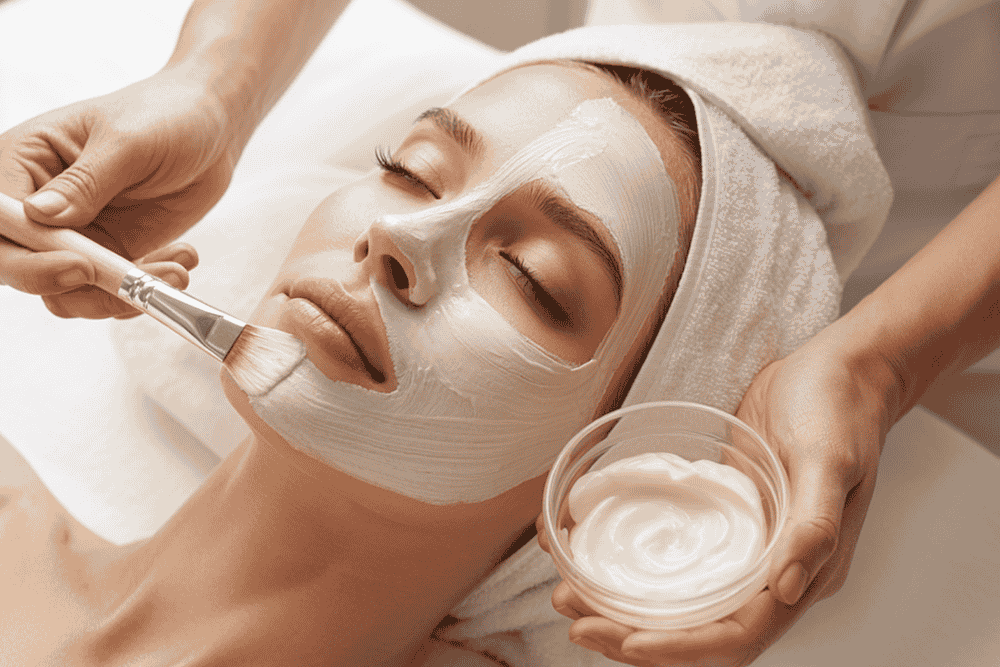
Use clean fingers or a brush to spread the mask evenly, avoiding the eye area.
Step 3: Relax and Wait
Leave the mask on for 10–20 minutes. Avoid letting it dry excessively, as this may irritate the skin.
Step 4: Rinse Gently
Use lukewarm water and pat your face dry with a clean towel.
Step 5: Moisturize Afterward
Lock in the benefits with a suitable moisturizer.
For best results, use Natural Face Masks 1–2 times per week. Overuse can disrupt the skin’s natural balance.
Common Mistakes to Avoid with Natural Face Masks
Even natural skincare can cause problems if used incorrectly.
- Skipping Patch Tests: Always test on your wrist first.
- Using Too Frequently: More is not always better.
- Adding Harsh Ingredients: Avoid undiluted lemon juice or baking soda.
- Leaving Masks on Too Long: This can dry out or irritate the skin.
- Ignoring Expiry: Fresh ingredients should be used immediately.
Remember, skincare is about consistency and patience. Results may take weeks, not days.

Final Thoughts
Natural Face Masks provide a gentle and effective way to enhance your skincare routine. With the right ingredients and proper application, you can hydrate, brighten, and soothe your skin naturally. They’re affordable, customizable, and suitable for most skin types when used responsibly. By understanding your skin’s needs and avoiding common mistakes, you can enjoy glowing, healthy skin without relying solely on commercial products.
Consistency, care, and smart ingredient choices are the keys to unlocking your skin’s natural radiance.
FAQs about Natural Face Masks
Are Natural Face Masks safe for all skin types?
Most Natural Face Masks are safe when ingredients are chosen carefully. However, people with sensitive or allergy-prone skin should always perform a patch test before full application.
How often should I use Natural Face Masks?
Using them once or twice a week is generally enough. Overuse may irritate the skin or disrupt its natural barrier.
Can Natural Face Masks help with acne?
Yes, ingredients like honey and turmeric have antibacterial and anti-inflammatory properties that may reduce acne over time.
How long should I leave a natural mask on my face?
Typically, 10–20 minutes is ideal. Leaving it on longer does not increase benefits and may cause dryness.
Can I store leftover Natural Face Masks?
It’s best to prepare fresh masks each time. Homemade mixtures lack preservatives and can spoil quickly.
Do Natural Face Masks replace commercial skincare products?
They can complement your routine but may not fully replace products formulated for specific conditions. Severe skin concerns should be discussed with a dermatologist.
Shop Miss Fluffy products now and choose the care that enhances your natural beauty with confidence.