Natural Hair Moisture: Deep Hydration Guide
Maintaining Natural Hair Moisture is one of the most important steps in achieving healthy, soft, and manageable hair. Whether your curls are loose waves or tight coils, moisture is the foundation that keeps strands strong, elastic, and vibrant. Without proper hydration, hair can become dry, brittle, and prone to breakage. This deep hydration guide will walk you through everything you need to know about keeping your natural hair moisturized, balanced, and thriving—without weighing it down.
Understanding Natural Hair Moisture
Natural hair has a unique structure that makes it more prone to dryness. The curlier the hair, the harder it is for natural scalp oils to travel down the hair shaft. As a result, moisture retention becomes a key priority.
What Does Moisture Really Mean?
Moisture refers to water content within the hair strand. Many people confuse moisture with oil, but they are not the same. Water hydrates the hair, while oils seal in that hydration. If your hair feels dry, it likely needs water first—not just more oil.
Why Natural Hair Loses Moisture Quickly
Natural hair can lose moisture due to:
- High porosity (hair absorbs and loses water quickly)
- Heat styling
- Chemical treatments
- Harsh shampoos
- Environmental exposure (sun, wind, cold air)
Understanding your hair’s porosity and texture helps you choose the right products and routine for long-lasting hydration.
Why Natural Hair Moisture Is Essential for Healthy Growth
Healthy hair starts with proper moisture levels. Without hydration, hair strands become fragile and more likely to split or break.
Prevents Breakage and Split Ends
Moisturized hair is flexible. When hair bends without snapping, it reduces breakage during styling, detangling, and daily manipulation.
Improves Elasticity
Elasticity allows hair to stretch and return to its original shape. This is especially important for curly and coily hair types. Proper moisture improves elasticity and overall resilience.
Enhances Shine and Softness
Dry hair often appears dull and rough. When properly hydrated, natural hair reflects light better, resulting in a healthy shine.
Supports Length Retention
Hair grows from the scalp, but retaining length depends on how well you protect the ends. Maintaining consistent Natural Hair Moisture helps prevent excessive trimming caused by dryness-related damage.
Common Causes of Dry Natural Hair
If your hair constantly feels dry, there may be underlying causes that need attention.
Overwashing
Frequent shampooing strips natural oils. Using sulfate-based shampoos can remove essential moisture from your strands.
Product Buildup
Heavy creams and oils can coat the hair, blocking water from penetrating the strand.
Heat Damage
Flat irons, blow dryers, and curling wands can weaken the hair cuticle, leading to moisture loss.
Environmental Stressors
Cold winter air and hot summer sun both draw moisture out of hair. Wearing protective styles and using leave-in conditioners can help combat these effects.
For more science-backed hair care insights, you can explore resources like the American Academy of Dermatology (https://www.aad.org), which provides professional guidance on hair health.
Best Ingredients for Natural Hair Moisture
Choosing the right ingredients makes a major difference in hydration.
Water
Water is the primary source of hydration. Always start your moisturizing routine with water or a water-based product.
Aloe Vera
Aloe vera helps hydrate and soothe the scalp. It also adds slip for easier detangling.
Glycerin
A humectant that draws moisture from the air into your hair. Works best in moderate humidity.
Honey
Honey is a natural humectant that helps retain water inside the hair shaft.
Shea Butter
Shea butter seals in moisture without being overly heavy when used properly.
Coconut Oil (With Caution)
Coconut oil helps reduce protein loss, but not all hair types respond well to it. Test it first to see how your hair reacts.
Effective Moisturizing Techniques for Natural Hair
Hydration is not just about products—it’s about technique.
The LOC and LCO Methods
These layering methods help seal in moisture effectively:
- LOC: Liquid (water), Oil, Cream
- LCO: Liquid, Cream, Oil
The best method depends on your hair porosity.
Deep Conditioning Weekly
Use a deep conditioner once a week to restore hydration. Look for products containing humectants and emollients.
Steaming for Better Penetration
Hair steaming opens the cuticle, allowing moisture to penetrate deeper into the strands.
Protective Styling
Styles like twists, braids, and buns reduce manipulation and help maintain moisture levels longer.
Daily and Weekly Natural Hair Moisture Routine
Consistency is key when maintaining Natural Hair Moisture.
Daily Routine
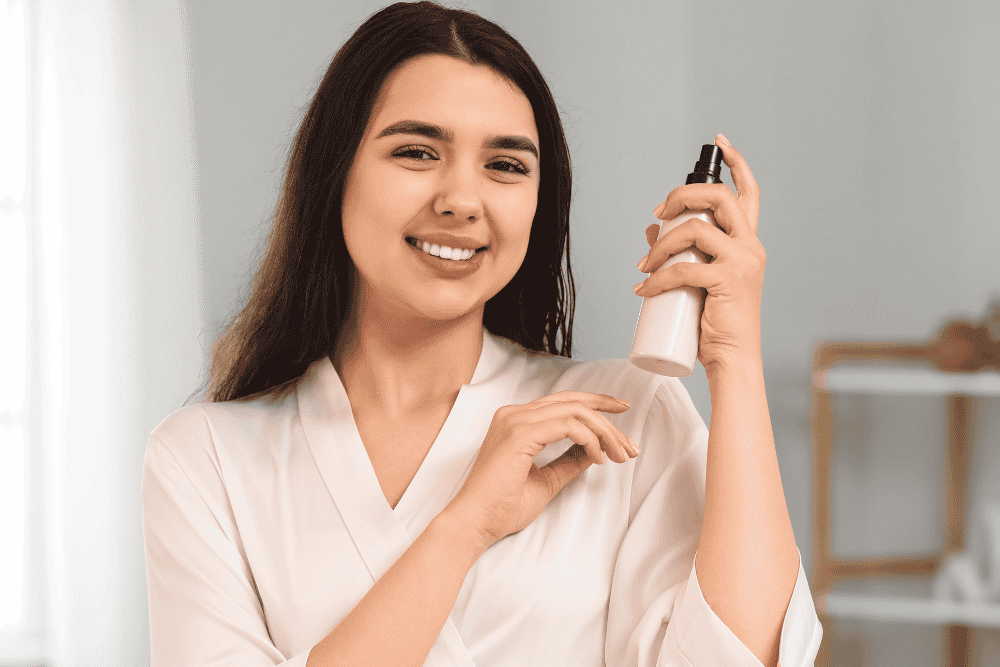
- Lightly mist hair with water or a leave-in conditioner
- Seal ends with a lightweight oil
- Protect hair at night with a satin or silk scarf
Weekly Routine
- Cleanse with a gentle, sulfate-free shampoo
- Apply a deep conditioner
- Trim damaged ends if necessary
- Avoid excessive heat styling
Monthly Care
- Clarify to remove buildup
- Assess protein-moisture balance
- Adjust products based on seasonal changes
Keeping a routine prevents dryness before it starts.
Mistakes to Avoid When Maintaining Natural Hair Moisture
Even with the best intentions, certain habits can sabotage hydration.
Using Too Much Oil
Oil does not hydrate hair—it seals moisture. Applying oil to dry hair can worsen dryness.
Ignoring Protein Balance
Too much protein makes hair stiff, while too little can make it weak. Balance is crucial.
Skipping Night Protection
Cotton pillowcases absorb moisture. Switch to satin or silk to prevent dryness.
Not Drinking Enough Water
Hydration starts internally. Drinking enough water supports overall hair health.
Final Thoughts
Maintaining Natural Hair Moisture is not about using the most expensive products—it’s about understanding your hair’s needs and creating a consistent routine. Hydration is the foundation of healthy, strong, and beautiful natural hair. When you focus on water-based products, proper sealing techniques, and protective habits, you’ll notice improved softness, elasticity, and growth over time.
Healthy natural hair thrives on balance. With patience and the right approach, you can achieve long-lasting moisture without heavy buildup or greasiness.
FAQs about Natural Hair Moisture
How often should I moisturize my natural hair?
Most natural hair types benefit from light daily moisturizing and deeper weekly hydration treatments. However, this depends on porosity, climate, and styling habits.
Is oil enough to moisturize natural hair?
No. Oil seals moisture but does not provide hydration. Always apply water or a water-based product first.
How can I tell if my hair needs moisture or protein?
If your hair feels dry and brittle, it likely needs moisture. If it feels mushy and overly soft, it may need protein to restore strength.
Does low porosity hair struggle with moisture retention?
Low porosity hair can resist moisture absorption. Using warm water or steam helps open the cuticle for better penetration.
Can protective styles help retain moisture?
Yes. Protective styles reduce manipulation and help lock in hydration when properly maintained.
What is the best leave-in conditioner for Natural Hair Moisture?
The best leave-in conditioner depends on your hair type and porosity. Look for lightweight, water-based formulas with ingredients like aloe vera and glycerin.
Shop Miss Fluffy products now and choose the care that enhances your natural beauty with confidence.